ISSUE 65 | JULY 2024
AN OFFICIAL NEWSLETTER OF THE FEDERATION OF UGANDA EMPLOYERS
FUENEWS
THE VOICE OF EMPLOYERS
FUE CEO MESSAGE

Dear Valued Member,
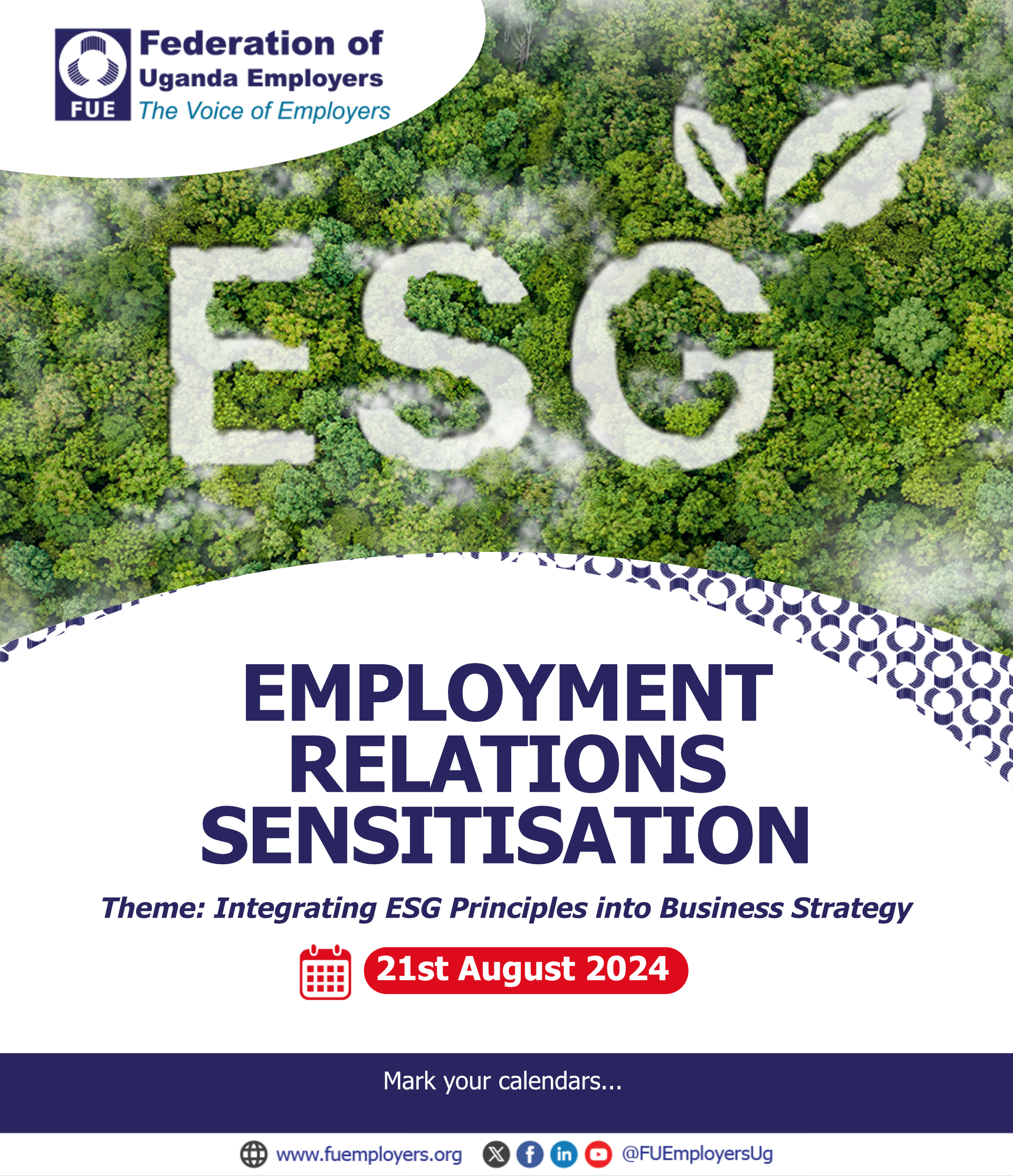
As we progress further into the year, the Federation is building on global conversations around Environmental Social and Governance (ESG) standards to build sustainable enterprises for a resilient future. We are indeed committed to supporting Employers on this front. The concept of responsible business conduct is rooted in the global understanding that businesses, regardless of their size, sector, or structure, have a responsibility to uphold human rights, safeguard the environment, and contribute to the well-being of the communities in which they operate.
As Employers in Uganda grow and integrate into global markets, adhering to responsible business practices becomes essential. Not only does it enhance a company’s reputation and build trust among stakeholders, but it also opens opportunities for new investments and partnerships.
On the contrary, failing to uphold responsible practices results in reputational damage, significant operational costs and legal disputes. Integrating responsible business conduct into corporate strategies is both an ethical imperative and a sound business decision.
Capacity building is therefore crucial on this journey to building sustainable enterprises and we encourage Employers to explore and benefit from our range of knowledge sources including trainings we hold on the subject.
By implementing decent labour practices, supporting community initiatives, and adopting environmentally friendly operations, we can play a significant role in addressing some of the Uganda’s most pressing challenges and further enhance productivity to grow as a strong business community.
Thank you,
Together for Employers.
Douglas Opio
The Chief Executive Officer, FUE
CONTENTS
- FUE CEO Message
- Capacity-Building Workshop on Responsible Business Conduct
- The Role of Women Leaders in Advancing ESG Strategies
- AVSI Foundation SAY Project
- Designing and Implementing Skills Mobility Partnerships (SMPs)
- Digital Risk Management General Training
- Formulate the Necessary Workplace Policies and Procedures to Minimise litigation
- FUE New Member Spotlight
- Upcoming Events

CAPACITY-BUILDING WORKSHOP ON RESPONSIBLE BUSINESS CONDUCT

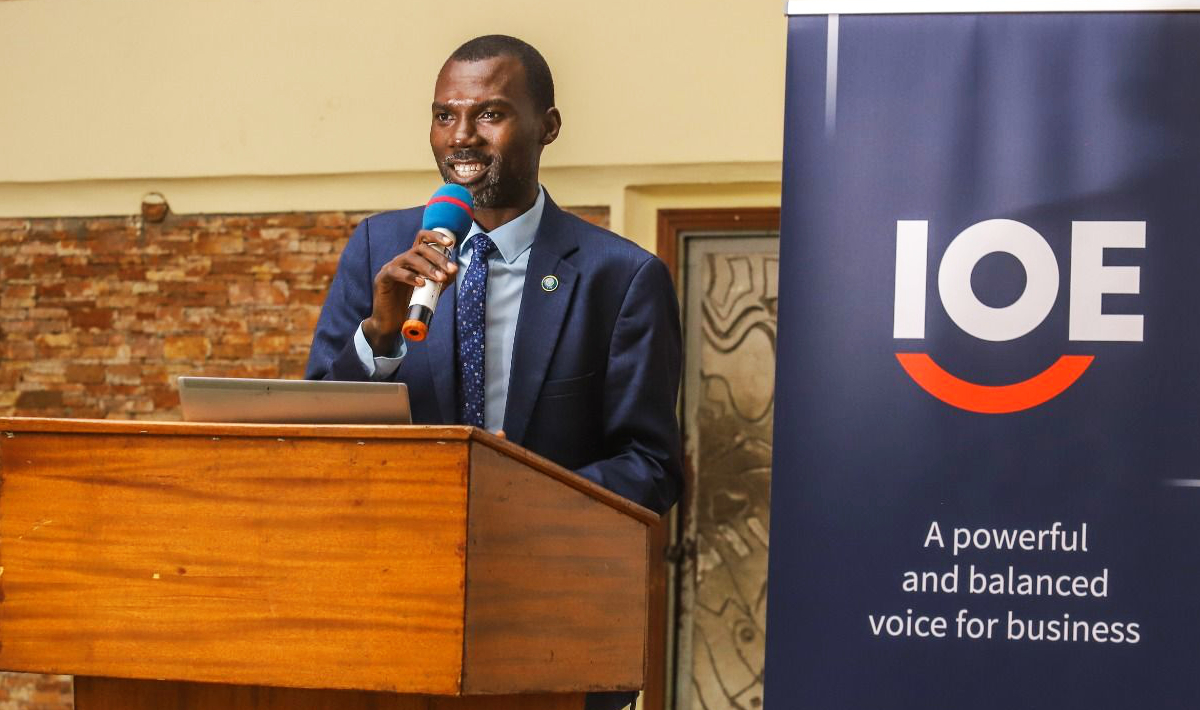
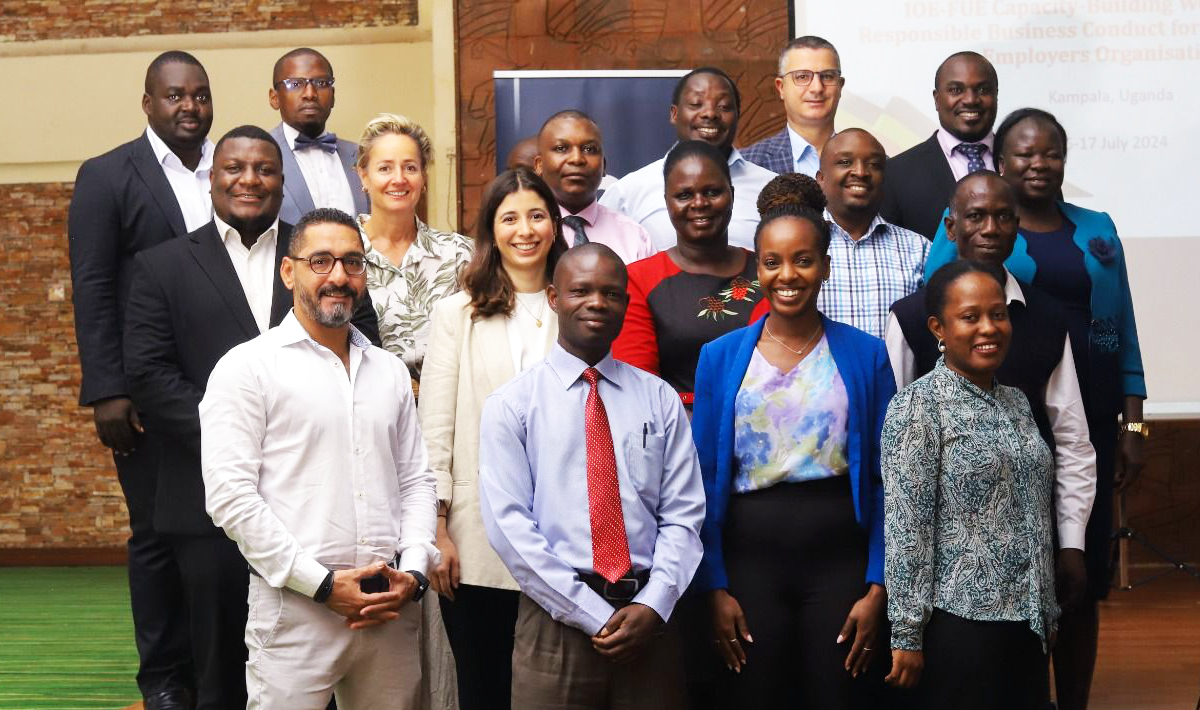
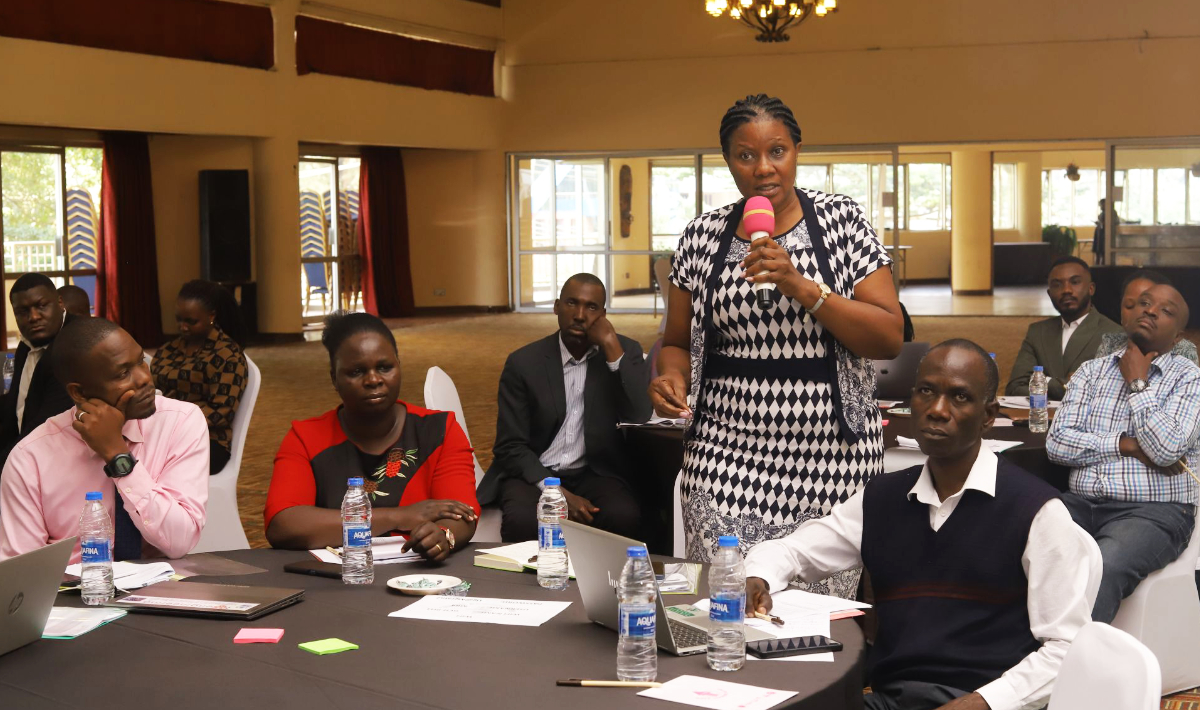
On 16-17 July, 2024, we hosted a capacity-building workshop on Responsible Business Conduct in partnership with the International Organisation of Employers (IOE) and the European Union. The event brought together around 40 participants, including members of FUE, representatives from micro, small, and medium-sized enterprises (MSMEs), and other key national stakeholders. The workshop served as a key platform for exploring the growing importance of responsible business conduct in Uganda.
The terms “business and human rights” and “responsible business conduct” describe the global standards of expected behaviour for companies, regardless of size, sector, or structure. These concepts highlight that businesses must understand and address their impacts on people, the planet, and prosperity. While national laws often establish a baseline for issues like human and labour rights, environmental protection, and anti-bribery, companies are increasingly expected to go beyond compliance. This expectation is particularly crucial in regions where laws may be insufficient or poorly enforced.
Internationally-recognised frameworks such as the UN Guiding Principles on Business and Human Rights (UNGPs), the OECD Guidelines for Multinational Enterprises, and the ILO MNE Declaration set forth these expectations. Additional standards, including the IFC Performance Standards, the 10 UN Global Compact Principles, various GRI standards, and ISO 26000 Guidance on Social Responsibility, further emphasise the importance of businesses “knowing” and “showing” their impacts on society and the environment.
The workshop offered an invaluable opportunity for companies to learn from experts from FUE, IOE, United Nations Human Rights, the EU, and the Ministry of Gender, Labour and Social Development of Uganda about the rapidly growing emphasis on responsible business conduct. Businesses are increasingly expected to demonstrate transparency in their operations, services, and relationships. Acting responsibly not only helps maintain a social license to operate but also contributes positively to the Sustainable Development Goals (SDGs). Companies that prioritise responsible practices can enjoy a range of benefits, including enhanced reputation, improved employee retention, stronger business relationships, access to new markets, capital, and opportunities for innovation.
On the flip side, failing to uphold responsible practices can lead to significant costs. These can include operational delays due to strikes or protests, lost productivity, legal disputes, reputational harm, and lost business opportunities. Therefore, integrating responsible business conduct into corporate strategies is both an ethical imperative and a sound business decision.
The workshop provided practical guidance and tools, the workshop aimed raise awareness and to equip participants with the skills necessary to implement responsible practices effectively within their organisations.
It was a significant step forward in promoting responsible business conduct in Uganda. By convening a wide array of stakeholders, the workshop highlighted the collective responsibility of businesses to respect human rights and protect the environment.
The Role of Women Leaders in Advancing ESG Strategies
In recent years, the role of women in Environmental, Social, and Governance (ESG) development has become increasingly recognised and valued. As organisations worldwide grapple with the complexities of sustainable development, women leaders are emerging as pivotal players in advancing ESG strategies. Their unique perspectives, commitment to social responsibility, and ability to foster inclusive workplaces make them invaluable in shaping the future of businesses and communities.
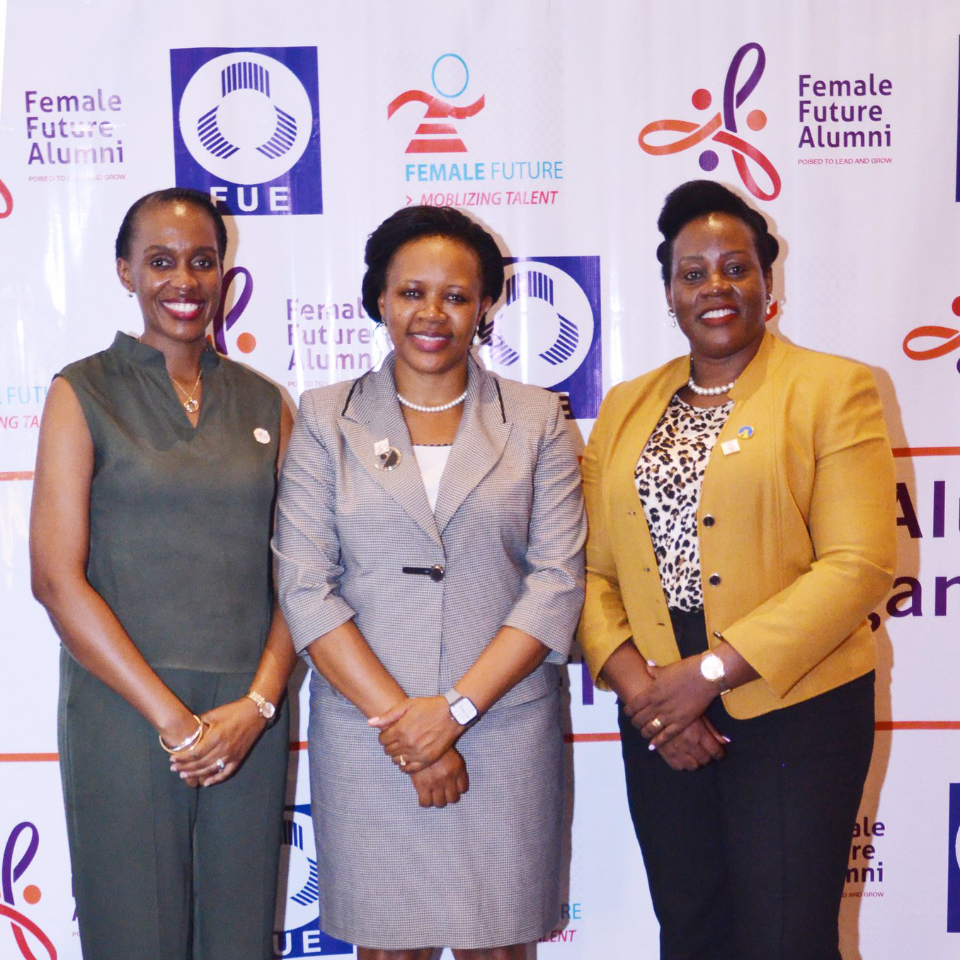
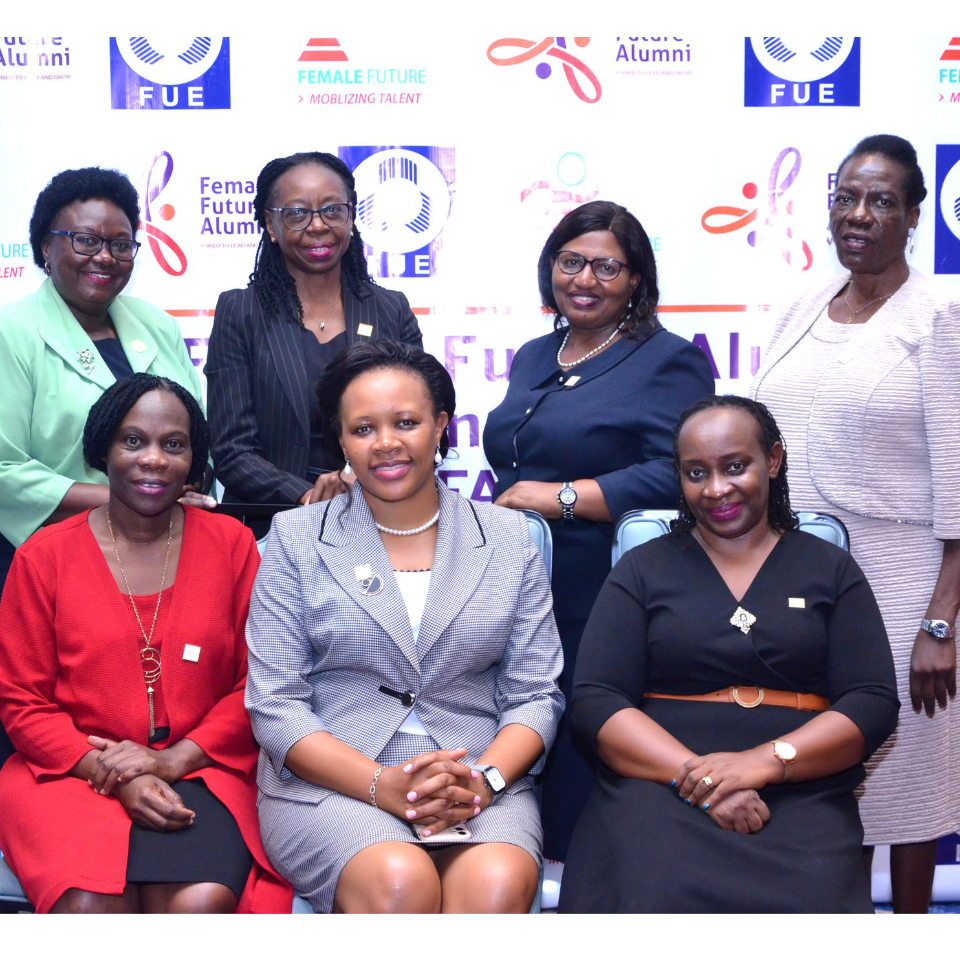
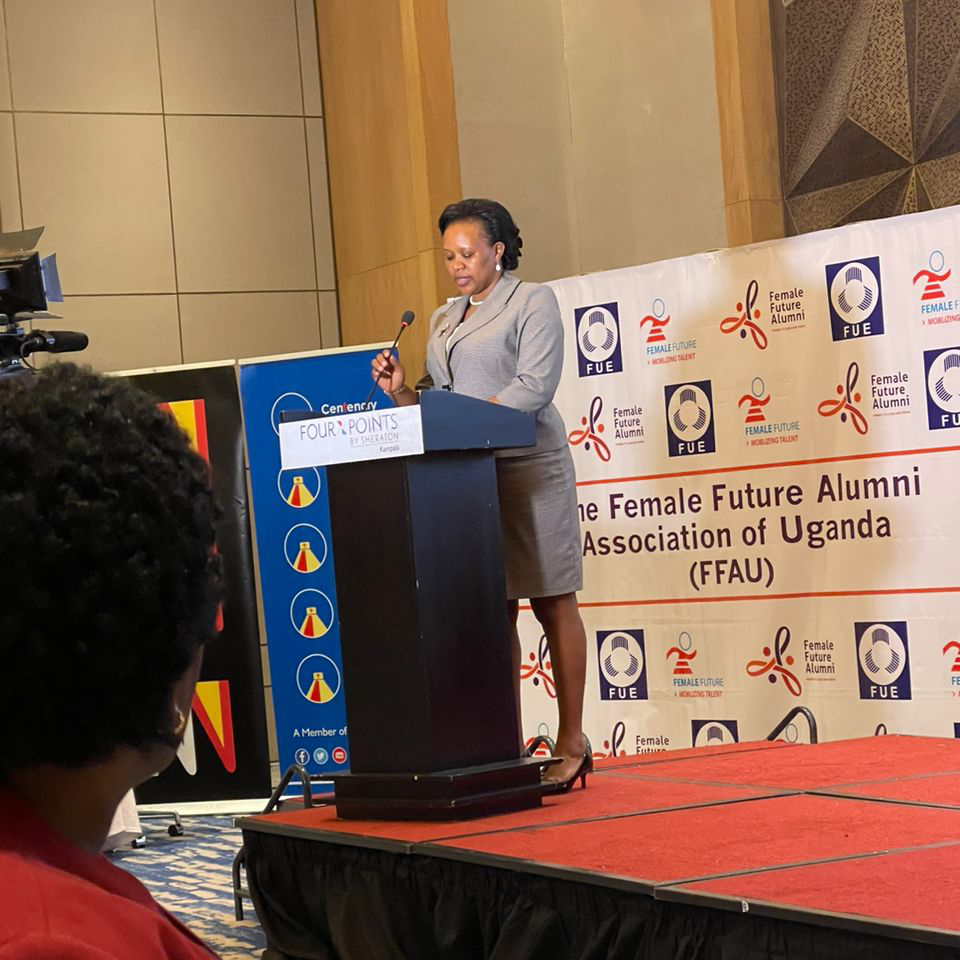
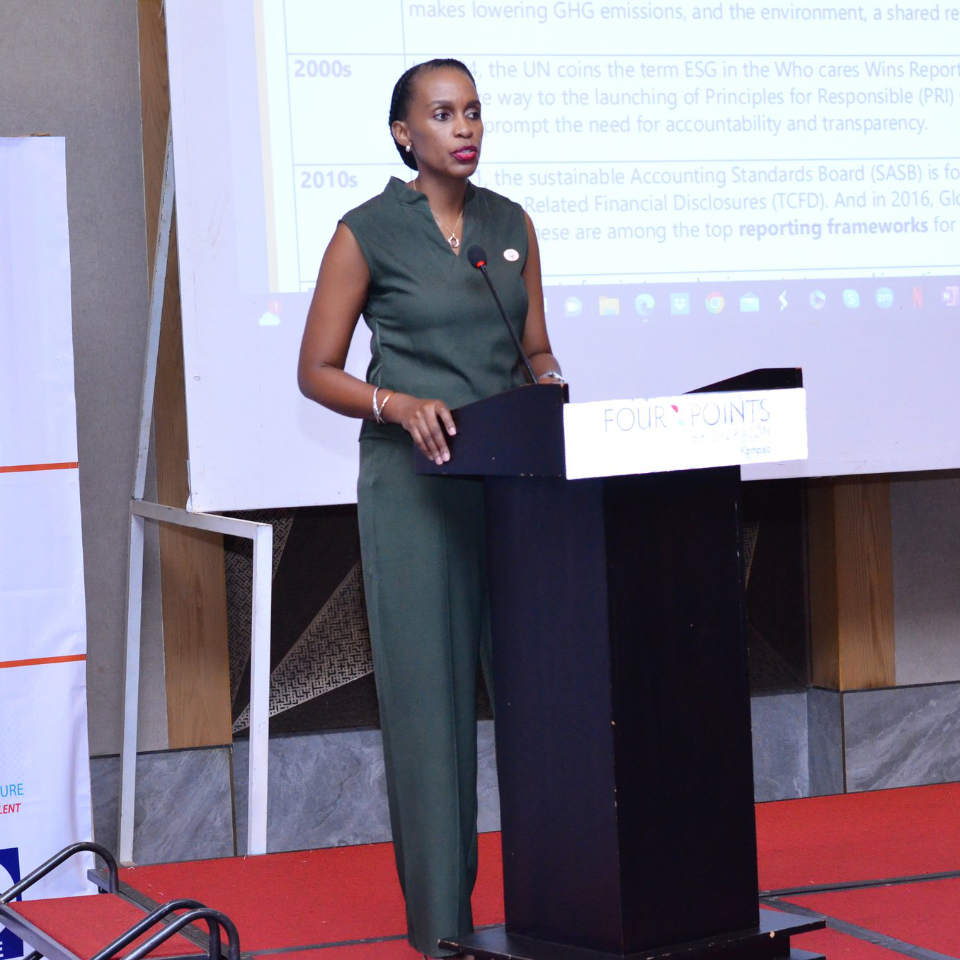
On July 10th, 2024, the Female Future Alumni Association Uganda held its 7th edition of the breakfast meeting at the Four Points Hotel in Kololo. The event, themed “The Role of Women Leaders in Advancing Environmental, Social and Governance (ESG) Strategies,” brought together accomplished professionals and thought leaders to discuss the pivotal role of women in driving ESG initiatives.
The event featured an impressive lineup of speakers, including Mona Muguma Ssebuliba, CEO of ABI Finance Ltd; Mr. Dison Okumu, CEO of the Institute of Corporate Governance Uganda; and Ms. Beatrice Lugalambi, General Manager of Corporate Communications and Marketing at Centenary Bank Uganda. Each speaker shared valuable insights and experiences, highlighting the importance of ESG strategies in today’s business landscape and the unique contributions women can make in this arena. Women bring a holistic approach to leadership, emphasising ethical practices, community engagement, and environmental stewardship, which are all critical components of effective ESG frameworks.
The event provided a platform for attendees to interact, share experiences, and network, fostering a vibrant exchange of ideas on how women leaders can champion sustainable practices. The discussions underscored the importance of collaboration and the collective effort required to address global environmental and social challenges.
The Female Future Alumni Association continues to be a driving force in empowering women, offering a supportive community for professional growth and leadership. We remains committed to supporting and equipping women to lead with purpose and make a positive impact in their organisations and communities through programmes including the Female Future Leadership Programme and trainings such as Malkia. Join the movement of women leaders by taking part in these programmes. Visit our website for more information.

AVSI Foundation ‘SAY’ Project
As the leading business advisory body in the country, we are proud to play an integral role in shaping the future of Uganda’s agricultural sector. We have supported entrepreneurial efforts through skills development, policy advocacy, research and advisory for several organisations including being a key member of the Advisory Panel for AVSI Foundation’s Skilling Youth in Agripreneurship (SAY) project. This initiative aims to empower young Ugandans by equipping them with the skills needed for successful agricultural entrepreneurship, making significant strides across the country.
In a recent effort to evaluate the project’s progress and provide technical assistance, the Advisory Panel conducted a monitoring visit to the Eastern and Northern regions of Uganda. The visits, which took place from July 15th to 19th in the Eastern and from July 22nd to 26th in the Northern region, were crucial in assessing the implementation of the intervention plan and fostering knowledge exchange among participating youth groups and skilling partners.
In the eastern region, the panel engaged with 13 youth groups, while in the northern region, 10 youth groups and two skilling partners received support. These engagements offered a deep dive into the challenges and achievements of young Agripreneurs, guiding the panel’s recommendations for scaling up their enterprises. The discussions highlighted the importance of addressing practical challenges and leveraging opportunities to support the growth of youth-led agricultural businesses.
FUE’s involvement in this initiative demonstrates our commitment to youth development and the agricultural sector. By leveraging expertise in human resource management, business development, and industry linkages, we re contributing to the creation of a skilled and entrepreneurial youth workforce capable of driving Uganda’s agricultural transformation. This collaboration aims to bridge the gap between education and employment, creating sustainable opportunities for young people in the agricultural sector.
As we continue to work closely with partners like the AVSI Foundation, the organisation remains dedicated to creating a conducive environment for youth Agripreneurship. These joint efforts contribute significantly to the nation’s economic growth and development. The SAY project stands as a testament to the potential of youth-led enterprises in transforming Uganda’s agricultural landscape and building a prosperous future for all.


DESIGNING AND IMPLEMENTING SKILLS MOBILITY PARTNERSHIPS (SMPS)
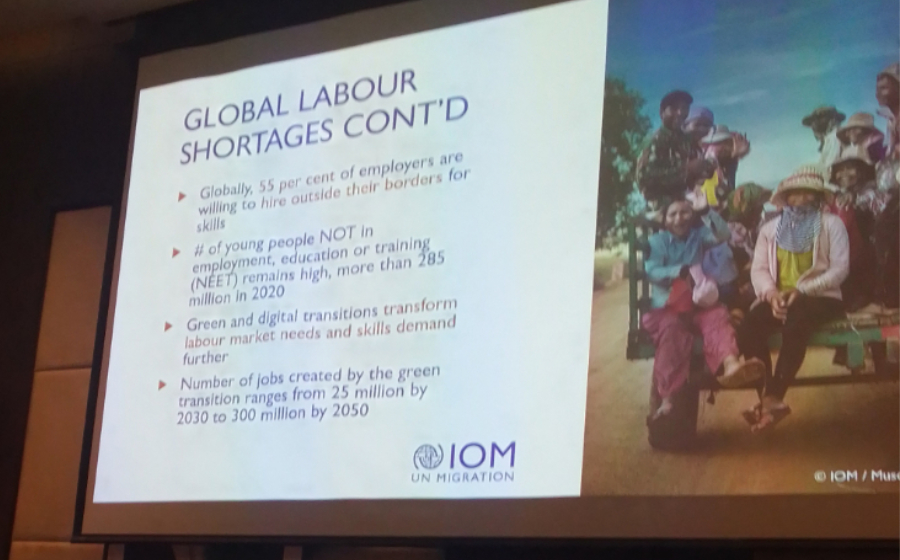
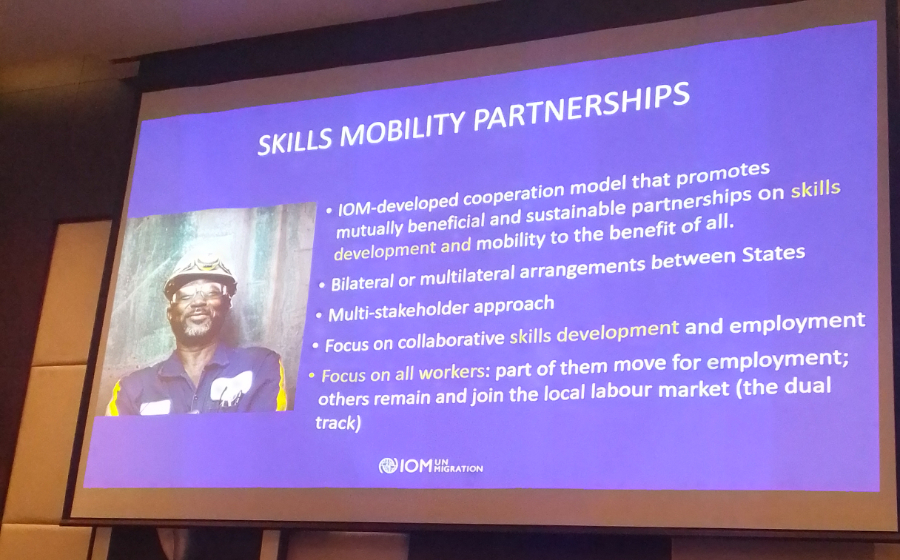
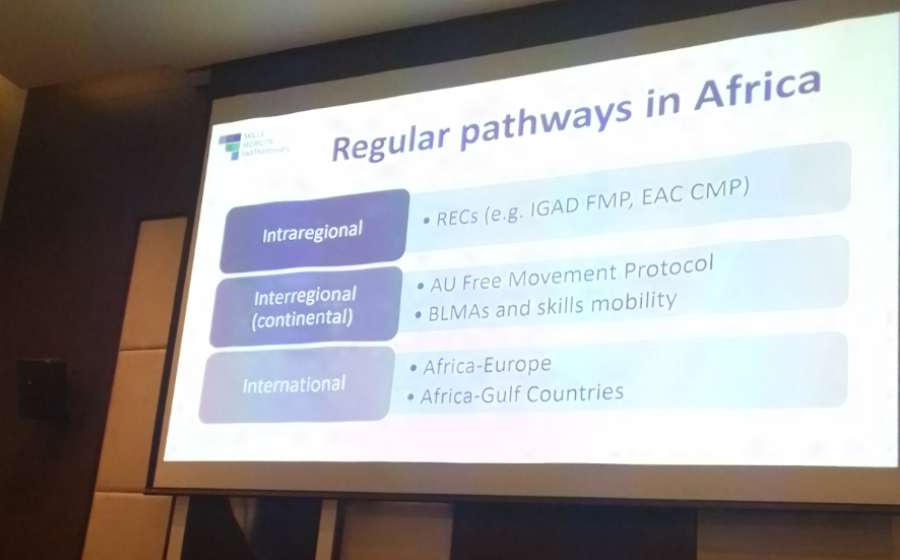
In the East and Horn of Africa (EHoA) region, skills-based mobility is increasingly recognised as a critical tool for addressing youth unemployment and bridging skills gaps. This mobility not only promotes socio-economic development but also facilitates regional integration. The region is characterised by significant intra-regional and inter-regional migration, driven by various factors such as economic, political, security, and environmental challenges. Notably, in 2019, the Eastern African region accounted for 30 percent of the total international migrant stock from Africa, reflecting a growing demand for both high- and low-skilled labour. This demand has been spurred by employment opportunities across the continent, as well as migration to other regions, including the Middle East and Europe via Northern Africa.
From 29th to 31st July, the Hyatt Regency Hotel in Addis Ababa hosted a regional workshop on how to design and implement Skills Mobility Partnerships (SMPs). The event, supported by UKAid and facilitated by IOM UN Migration, brought together key stakeholders from across the EHoA region. The workshop aimed to address the pressing issues of youth unemployment and skills gaps while fostering socio-economic development and regional integration.
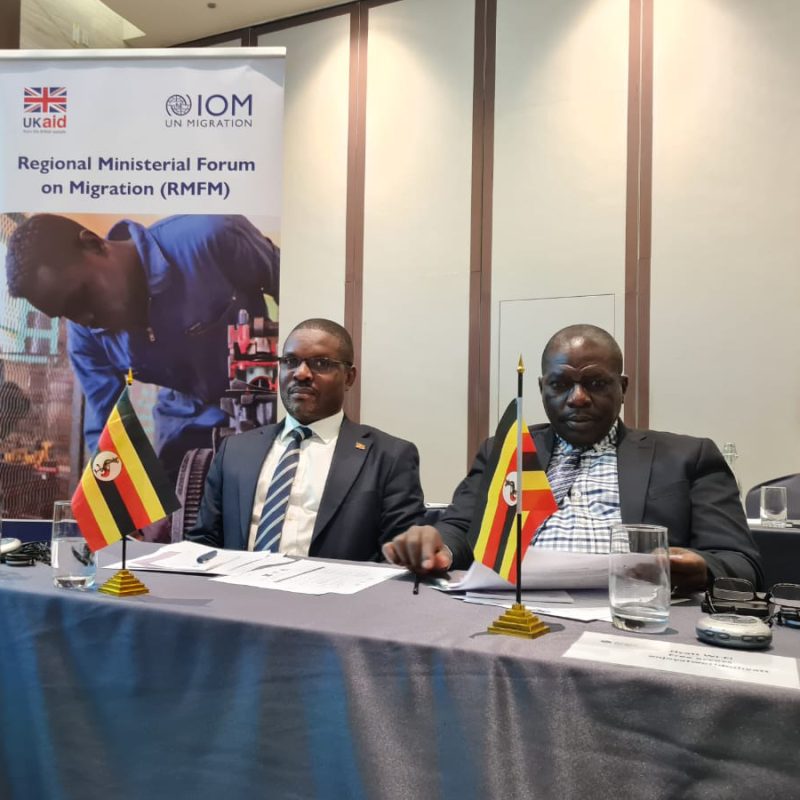
The EHoA region, characterised by significant intra-regional and inter-regional migration, has seen a rising demand for high- and low-skilled labour. This trend is driven by economic, political, security, and environmental factors, with the Eastern African region hosting 30 percent of the total international migrant stock from Africa. The workshop highlighted the region’s role as a major pathway for migrants heading towards the Middle East and Europe via Northern Africa, emphasising the importance of enhancing labour migration policies and practices.
The workshop pursued three main objectives:
- To strengthen participants’ understanding of the structure, stakeholders, and processes involved in SMPs.
- To develop a replicable roadmap for integrating skills into labour migration governance.
- To exchange best practices for designing and implementing SMPs.
Participants, including government officials, private sector representatives, and civil society organisations, engaged in presentations, teamwork, and plenary discussions. These activities provided a platform for sharing knowledge and experiences, crucial for developing effective labour migration policies.
This workshop marked a significant step toward improving labour mobility within the EHoA region. By addressing skills mismatches and enhancing cross-border cooperation, the initiative aims to create a more efficient labour market and unlock the potential of skills-based mobility. The collaboration between IOM, UKAid, and other partners reflects a strong commitment to fostering economic growth and social development through targeted skills development and labour market interventions.
As the EHoA region continues to face challenges related to migration and employment, the development of SMPs offers a promising pathway to empower individuals and strengthen regional cooperation. The workshop’s outcomes are expected to contribute significantly to the region’s efforts in addressing these challenges and harnessing the benefits of a skilled and mobile workforce.
DIGITAL RISK MANAGEMENT GENERAL TRAINING
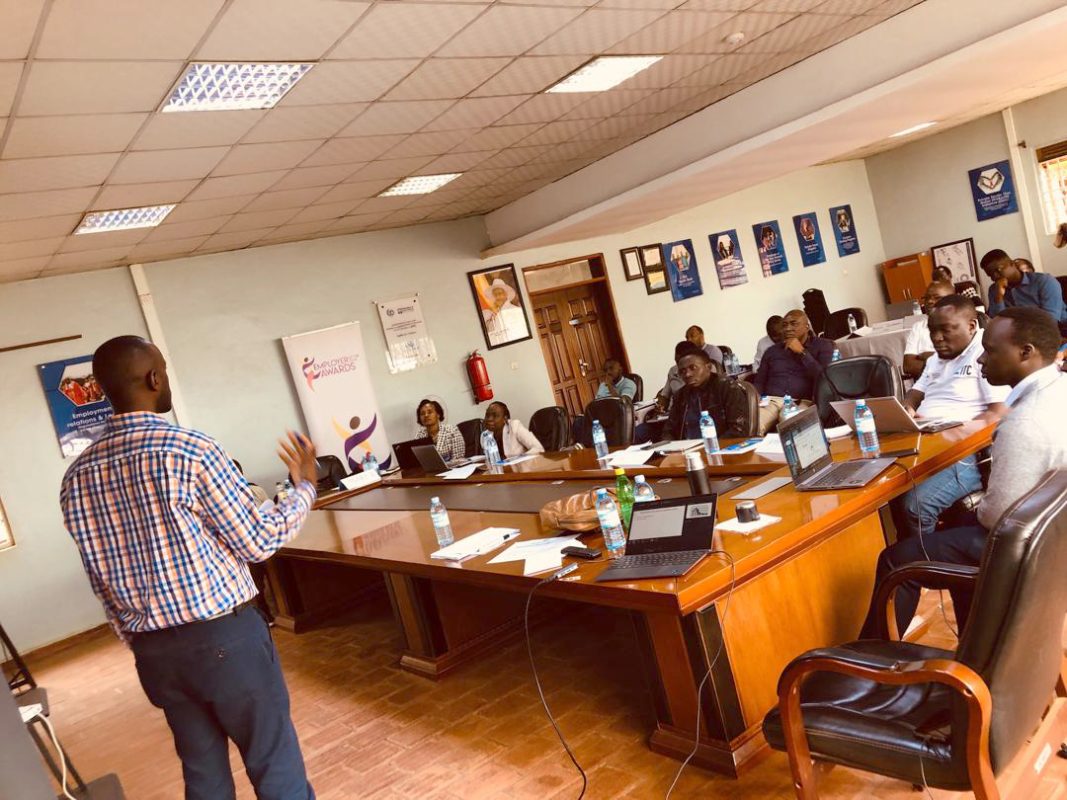
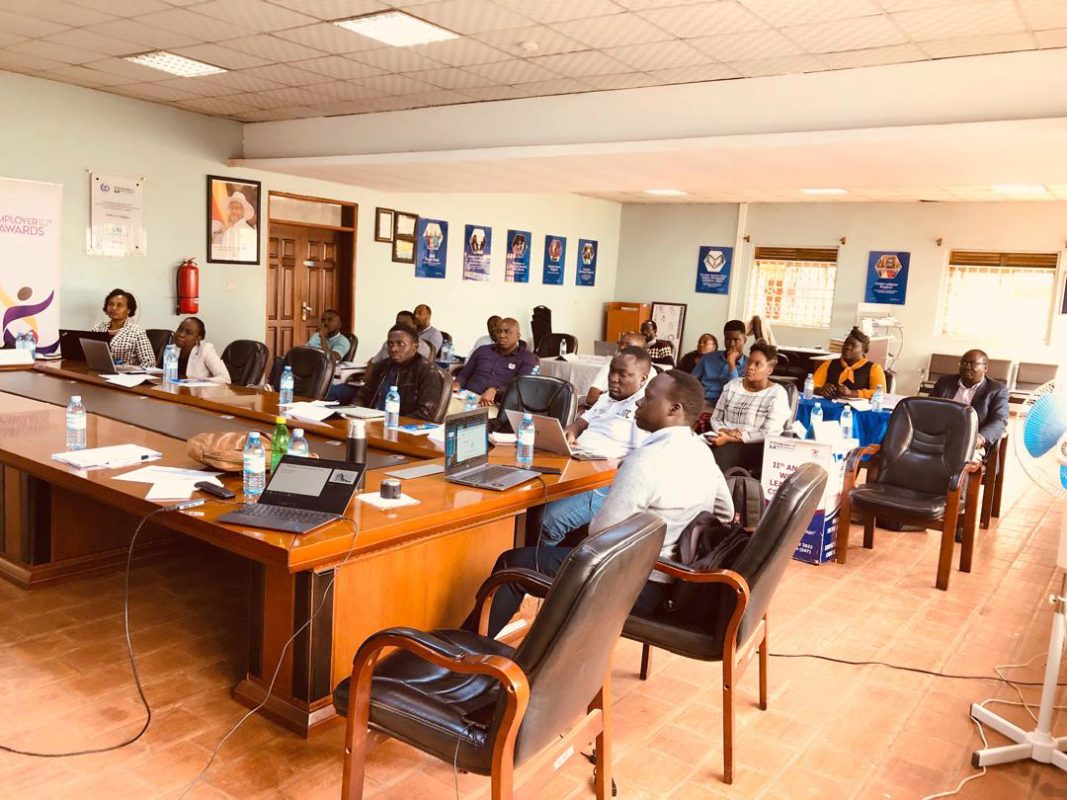
In an era where cyber-attacks are a constant threat, safeguarding digital assets and sensitive information is more crucial than ever. In response to the increasing threat of cyber-attacks, we conducted a comprehensive “Digital Risk Management” training program from the 16th to 17th July at the FUE Training Centre. This two-day event provided professionals with essential skills to identify, assess, and mitigate digital risks. The training aimed to help participants minimise the impact of cyber incidents, ensure compliance with evolving regulations, and enhance their organisations’ overall cybersecurity posture.
Participants engaged in interactive sessions, explored real-world case studies, and benefited from tailored learning tracks designed for various professional roles, including IT managers, HR professionals, and Senior executives. The training emphasised practical strategies to protect sensitive information, maintain business continuity, and manage security incidents effectively.
The event highlighted the critical importance of preparing for cyber threats in today’s digital landscape, where the question is not if but when a cyberattack will occur. Attendees left equipped with valuable knowledge and tools to strengthen their organisations’ digital defences, fostering a culture of security awareness and resilience.
FUE STAFF COMMENTARY
FORMULATE THE NECESSARY WORKPLACE POLICIES AND PROCEDURES TO MINIMISE LITIGATION
The principle of fairness as regards workplace discipline requires workplaces to, among others, have in place specific policies which not only are known by all employees but also applied to all of them equally to save management or an employer from being on the wrong side of the law in the event of a dispute/ conflict.
Disputes at workplace just like in any other social institution are bound to happen. The Industrial Court was set up for purposes of resolving such disputes between employers and employees – the disputes which may not be resolved at workplace or through the Alternative Dispute Resolution (ADR) techniques of negotiation, conciliation, mediation or arbitration (outside of the courtroom) which are the recommended options and provided for in the laws of Uganda.

Since the Industrial Court handle cases or claims brought to it directly as first time complaints as well as appeals from the decisions made by a labour officer, and the fact that this Industrial Court has only two judges (working with a panel consisting of representatives of employers, workers and independent members) out of the required five, it has always had case backlog to handle. Secondly, most of the cases which end up in the Industrial Court have normally ended in favour of the workers. This is partly due to the absence of the necessary policies and procedures in some workplaces or where they exist, they are unfairly applied.
Workplace policies and procedures are very important to any organization as they cover a number of operational and behavioural aspects of the organisation. A workplace policy clearly defines an organisation’s expectations regarding employee behaviour and performance, while a workplace procedure tells employees how to implement those policies. When used together, policies and procedures give employees a well-rounded understanding of their workplace. (Indeed Editorial Team, 2024).
The same source defines workplace policies as sets of rules put in place that cover employee/employer behaviours and attitudes. They are an important factor in a well-run business. While workplace procedure directly relates to workplace policies as a list of steps demonstrating how to implement a policy.
Workplace policies and procedures are simply the rulebook that keeps things running smoothly at workplace. Policies and procedures are used together to give employees a good understanding of organisational rules and values. Understanding workplace policies is key for employees as it allows a business to run smoothly and gives information about employee rights and responsibilities.
According to Anne Morris (2022), workplace policies not only play a significant role in managing your workforce, but also in the management of any legal risks as an employer. This is because by setting out the steps to be taken by management that accurately reflects the prevailing legislation and case law, this will help to ensure that workplace issues are handled in a lawful manner at all times.
The key policies for your workplace include: Code of Conduct at work Policy which sets out clear guidelines for how employees should behave in the workplace; Health and Safety at work Policy which highlights any potential workplace risks or hazards; Anti-Discrimination and Harassment Policy that promotes equal employment opportunity and protection from any form of harassment; Grievances handling Policy which provides options for conflict resolution; Discipline and Termination Policy which provides the procedure for disciplining and dismissing an employee; Performance Management Policy which outlines the process for performance management; Privacy Policy regarding the protection or disclosure of an employee’s personal details; Leave Policy which outline the guidelines and requirements for accessing leave entitlements; and IT and Social Media Policy which outlines the appropriate use of tech and online platforms.
Other necessary policies include; Employment and Hiring Policy, Smocking Policy, Drug and Alcohol Policy, Employee Benefits Policy, Work Hours and Attendance Policy, Compensation and Payroll Policy, Workplace Security, Employee Relations Policy, Dress Code and Appearance Policy, Travel and Expenses Reimbursement Policy, Ethics and Whistle-Blower Protection Policy, Environmental Sustainability Policy, and Remote Work and Telecommuting policy.
Having the necessary sets of policies and procedures in place is important to any organisation regardless of size due to the following: Good policies and procedures provide a roadmap for day-to-day operations and matters in the workplace; They help to ensure that the organisation is compliant with the national employment, and labour laws and regulations from time to time; They help Managers to feel confident about the next steps when managing a team; Clear and helpful policies help to ensure that all line managers act in the same way and in line with streamlined internal processes; They assist in clarifying and reinforcing standards that are expected of employees in all their professional dealings, and explains what is and is not acceptable in the workplace; Ensures consistency and reduces the risk of having issues with employees claiming to have been treated inequitably or discriminated against (Samantha Owen, 2023).
Therefore, while some of the fore mentioned workplace policies are mandatory, others are not. This implies that there is no direct penalty for not having some of them. However, even where a given workplace policy is not mandated by law, it is important for employers to have them because having as many workplace policies is not only one of the means of promoting corporate governance, but it also one of the human resource best practices as it helps to minimize legal and reputational risks by ensuring compliance, ethical behaviour, and accountability. Besides, it provides a clear guidance on handling the issue in question consistently and in a way that reduces the potential risks of litigation.
By Patrick Ajuna, Policy and Research Officer
FUE NEW MEMBER SPOTLIGHT
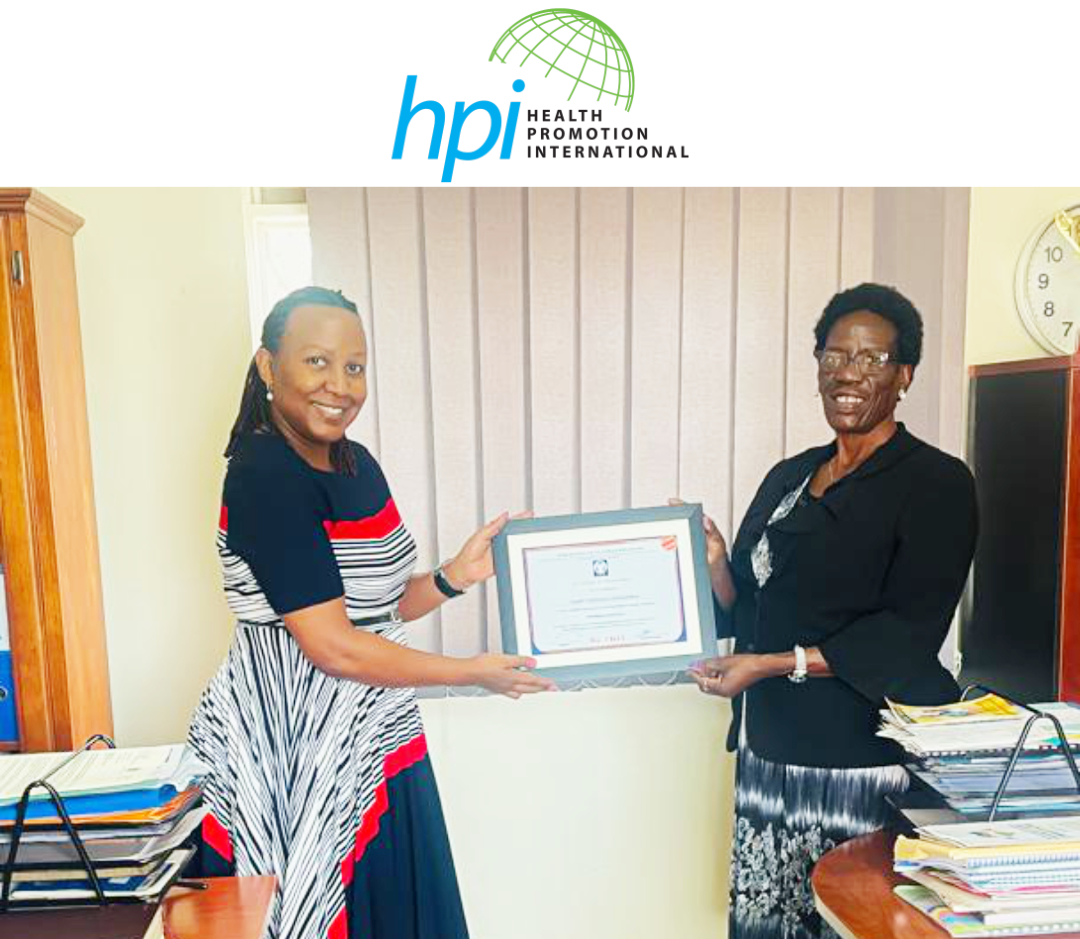
We are pleased to welcome Health Promotion International (HPI) Uganda to the FUE family.
HPI is a credible Environmental, Social, Health and Safety service provider in Uganda.
UPCOMING EVENTS
[wpcdt-countdown id=”4889″]