ISSUE 77 | JUNE 2025
AN OFFICIAL NEWSLETTER OF THE FEDERATION OF UGANDA EMPLOYERS
FUENEWS
THE VOICE OF EMPLOYERS
FUE CEO MESSAGE

Dear Esteemed Member,
Welcome to the month of June. As we stand at the intersection between the first and second half of the year, we commend you for your active participation and commitment to the work of the Federation. We are delighted to partner with you on an exciting journey to enhance employer competitiveness at global level.
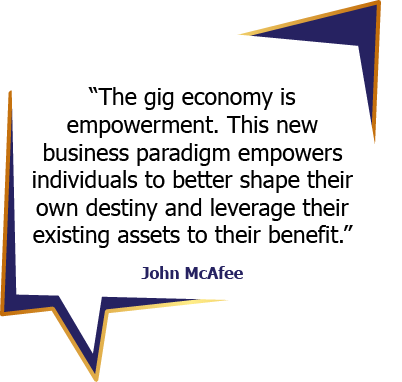
In recent times, the labour market has evolved with new models of work like the gig economy rapidly growing with various people adopting this trend to
utilise their skill-set, increase sources of income and attain flexible work arrangements. According to a survey conducted by Centre of Global Development in 2021, 60% youth were involved in the gig economy after the disruption of the COVID-19 pandemic. In Uganda, the gig economy has been instrumental to eliminating youth unemployment, enhancing job creation and advancing economic growth.
As a key stakeholder on labour and employment matters, we participated in the 113th International Labour Conference (ILC) convened in Geneva with over 187 ILO member states represented by Government Officials, Employers Organisations and Workers Representatives. A key agenda item of the ILC was to develop policies that govern the gig economy. The ILC agreed to develop a new ILO convention and recommendation on decent work in the gig economy, to be finalised and adopted in 2026. In addition, FUE is collaborating with the ILO to develop a Community of Practice (CoP) to advance decent work in the gig economy. These are key steps towards creating a conducive business environment for platform workers at all levels.
Furthermore, according to the budget speech for Financial Year 2025/26, the size of the economy is estimated at Shs 226.3 trillion (USD 61.3 billion) in this financial year 2024/25 rising from Shs 203.7 trillion (USD 53.9 billion) in the previous financial year 2023/24, while GDP per capita is estimated at USD 1,263 GDP for this financial year ending 30th June 2025 compared to USD 1,146 in the previous financial year. This impressive economic growth has been attributed to the continued implementation of the government interventions, sound fiscal and monetary policies that have supported private sector investment as well as the widespread adoption of the gig economy. This is a clear indication that a robust gig economy can boost financial sustainability and increase GDP at national level.
As we reflect on the achievements of the first half of the year, we look forward to greater milestones and significant progress in our organisations. We are readily available to serve Employers interests and needs to build strong entities and advance economic growth.
Thank you,
Together for Employers.
Douglas Opio
The Chief Executive Officer, FUE
CONTENTS
- FUE CEO Message
- Mastering Performance Management Training
- The National Budget Highlights for the Financial Year 2025/2026
- The International Labour Conference 2025
- BMU Youth Career Clinic
- Commemorating World Day Against Child Labour
- Malkia Training Intake 2025
- FUE New Member Alert
- FUE Staff Commentary
- Upcoming Events

MASTERING PERFORMANCE MANAGEMENT TRAINING
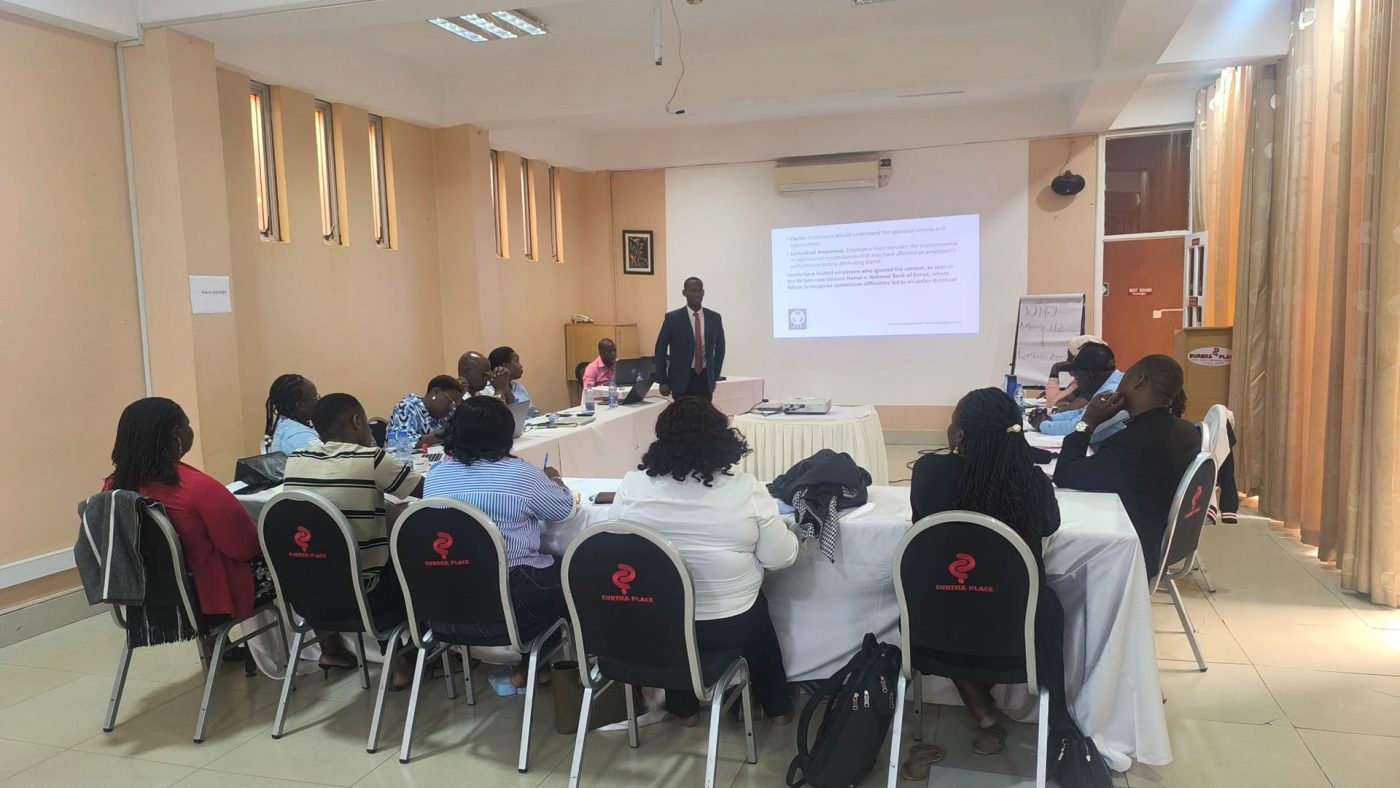
In the complex work environment, performance management and disciplinary action are critical aspects of the managerial function and also a legal obligation. We conducted an enlightening training on, ‘Uganda’s Legal Landscape: Mastering Performance Management’ from 19th to 20th June 2025 at Eureka Hotel. Human Resource Practitioners, Line Managers, Legal Officers and Team Leaders among others.
During the training, Employers were equipped with skills to design and implement performance management systems that are fair, inclusive, and legally compliant. The training content included analysing real-world scenarios, a comprehensive overview of grounds for termination, including poor performance and gross misconduct as well as practical, hands-on mock disciplinary hearings and appraisal sessions to apply learning. Participants were implored to navigate cases of misconduct, poor performance, and grievances with procedural fairness and legal adherence as stipulated in the Employment Act.
In addition, documenting all HR actions professionally, creating robust, evidence-based records in line with best practices was emphasised when conducting performance reviews and disciplinary hearing to protect organisations from exploitation and litigation.
Its significant to note that improper handling of HR processes can damage organisational reputation, create conflict and diminish employee morale. FUE is available to offer advisory support and a comprehensive toolkit of downloadable templates to strengthen your HR systems.
For a customised training suited to your organisation needs, contact Yusuf Nsubuga, the Training Manager on yusuf.nsubuga@fuemployers.org | info@fuemployers.org
THE NATIONAL BUDGET HIGHLIGHTS FOR THE FINANCIAL YEAR 2025/2026

The National Budget estimate for the financial year 2025/2026 was presented on Thursday, 12th June 2025 under the theme, ‘Full Monetisation of Uganda’s Economy through Commercial Agriculture, Industrialisation, Expanding and Broadening Services, Digital Transformation and Market Access’. This budget for the next financial year starts the implementation of the Fourth National Development Plan (NDPIV) 2025/26-2029/30 and is focused mainly on people and wealth creation. For the next 15 years, the successive National Development Plans will implement the tenfold Economic Growth Strategy. This strategy aims to expand the size of the economy to USD 500 billion by 2040, from USD 61.3 billion estimated for this financial year 2024/25 ending 30th June 2025.
According to the budget speech for Financial Year 2025/26, the size of the economy is estimated at Shs 226.3 trillion (USD 61.3 billion) in this financial year 2024/25 rising from Shs 203.7 trillion (USD 53.9 billion) in the previous financial year 2023/24, while GDP per capita is estimated at USD 1,263 GDP for this financial year ending 30th June 2025 compared to USD 1,146 in the previous financial year. This impressive economic growth has been attributed to the continued implementation of the government interventions, and sound fiscal and monetary policies that have supported private sector investment. Other factors which supported strong economic growth include: Low inflation and relatively stable exchange rate, among others.
By May 2025, the speed at which prices of goods and services rose (inflation) slowed to 3.4%, compared to 4.1% in the same period a year ago. This was mainly due to good export performance and Foreign Direct Investment inflows that led to a stable shilling, increased food production driven by good weather, the Parish Development Model (PDM), and the close coordination of the fiscal and monetary policies. Foreign direct investments were worth USD 3.48 billion in twelve months to March 2025, compared to USD 2.99 billion during the same period in 2024.
The International Financial Statistics (IFS) division of the IMF (as cited in the Uganda Budget Speech 2025/26) states that Uganda’s shilling has of recent been ranked as the most stable currency in Africa. This resilience is due to good export performance, strong inflows of foreign direct investment and tourism receipts. Uganda has also maintained its top ranking as one of the best investment destinations in Africa.
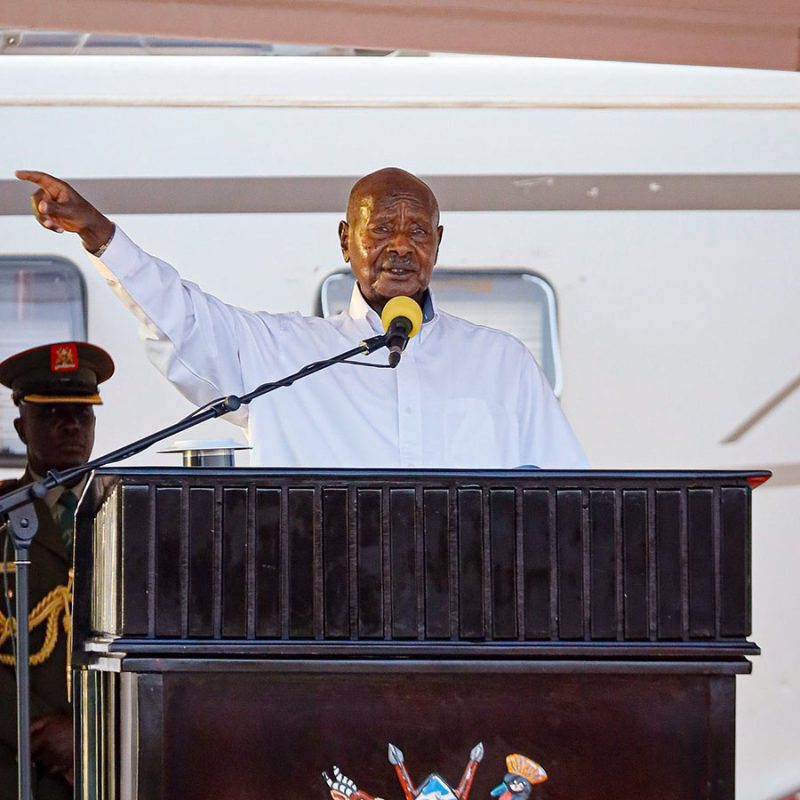
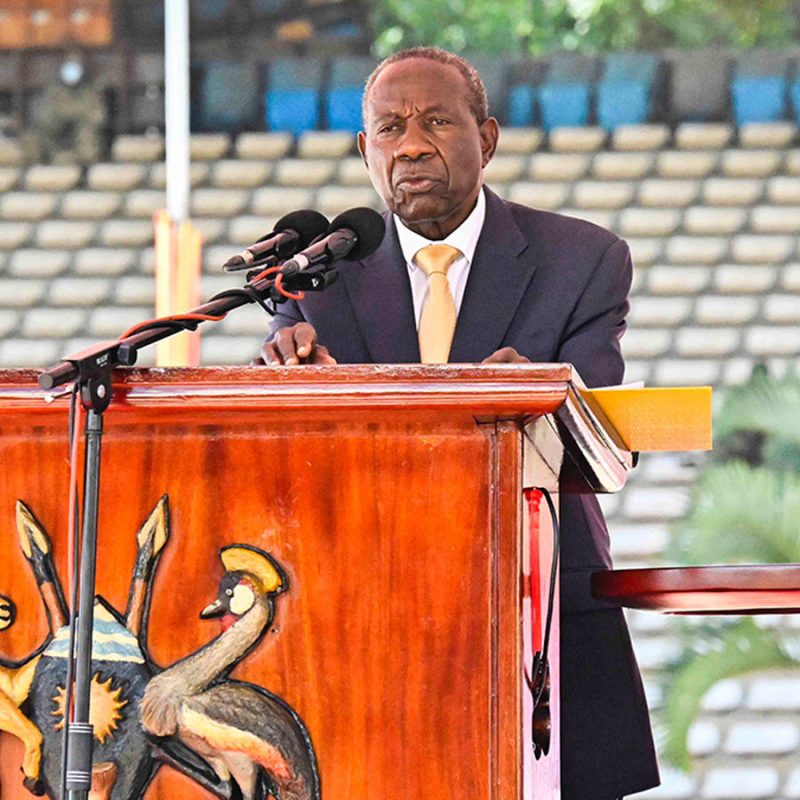
While reading the National Budget for next financial year, Hon. Matia Kasaija, the Minister of Finance, Planning and Economic Development said Uganda’s GDP is projected to grow at 7.0% in the next financial year 2025/26, and to double digits at the onset of oil and gas production compared to 6.3 percent this financial year 2024/25.
So, the total resource envelope for the next Financial Year 2025/26 amounts to UGX 72,376,481,502,103 trillion as detailed below:
- Domestic revenue amounting to Shs 37.55 trillion (Shs 33.94 trillion tax revenue, Shs 3.28 trillion non-tax revenue, and Shs 328.6 billion Local Government revenue).
- Domestic borrowing, Shs 11.38 trillion.
- Domestic refinancing of maturing domestic debt, Shs 10.03 trillion.
- Grants and external borrowing for general budget financing, Shs 2.08 trillion.
- External financing for projects, Shs 11.33 trillion of which Shs 2.8 trillion are grants.
The financing strategy for next financial year’s budget according to the Budget Speech for Financial Year 2025/26 include: Improving tax administration to raise an additional Shs 1.89 trillion; Introduction of new tax measures to increase domestic revenue by Shs 538.6 billion; Rationalising tax exemptions to eliminate inefficient ones that do not support industrial policy; Repurposing resources in the budget for FY 2024/25 from less productive to high-impact areas in line with the Tenfold Growth Strategy; Mobilising more concessional financing from international financial institutions such as the World Bank, IMF, African Development Bank, Islamic Development Bank, BADEA, etc; and Mobilising development finance from other innovative sources, including Public Private Partnerships, climate finance, private equity, Sukuk bonds, Panda bond, diaspora bonds, etc.
Tax Measures for Financial Year 2025/26
Income Tax
- Exemption for Start-up Businesses: A three-year income tax holiday for start-up businesses established by citizens after 1st July 2025 has been granted. This is intended to support start-ups that struggle with high initial investment costs. This incentive is intended to foster innovation, encourage formalisation of SMEs, enhance business survival, and promote employment.
- Exemption from Capital Gains Tax on Transactions. When an individual transfers asset to a company they have established but also under their control, that person will be exempted tom capital gains tax. This is a deliberate policy intervention aimed at encouraging formalisation of businesses.
- Income Tax Exemption for Bujagali Hydro-Power Project has been granted for one year up to 30th June 2026. This is intended to mitigate a rise in electricity tariffs.
Stamp Duty
- Removal of Stamp Duty on Mortgages and Agreements: This reform is intended to lower the cost of debt for businesses and individuals besides removing the financial burden imposed on businesses and individuals when they enter into agreements.
Tax Procedures Code
- Waiver of Interest and Penalty for Voluntary Payment of Outstanding Principal Tax: The government has extended the waiver period of any interest and penalties outstanding as at 30th June 2024, provided that the taxpayer pays the principal tax by 30th June 2026. This is intended to provide relief to businesses and individuals to enable them settle outstanding tax liabilities and resume normal operations.
Value Added Tax
- Reform of the Penalty Regime for Non-Compliance with EFRIS: To address the concerns which have been raised regarding the high penalties of Shs 6 million per invoice, government has amended the penalty structure for non-compliance to instead be twice the tax owed by the taxpayer.
Excise Duty
- Excise duty on soft cap cigarettes has been increased to Shs 65,000 per 1,000 sticks from Shs 55,000, and hinge lid cigarettes to Shs 90,000 per 1,000 sticks from Shs 80,000 to discourage consumption, and also generate additional revenue.
- Excise duty on soft cap cigarettes for those outside EAC has been increased to Shs 150,000 per 1,000 sticks from Shs 75,000, and hinge lid cigarettes to Shs 200,000 per 1,000 sticks from Shs 100,000.
- Excise duty rate of 30 percent or Shs 950 per litre on beer manufactured from barley grown and malted in Uganda has been removed.
- Excise duty on beer manufactured with local raw material content of at least 75 percent by weight of its constituents, excluding water, has been adjusted to 30 percent or Shs 900 per litre from 30 percent or Shs 650 per litre, whichever is higher. This is to ensure that a manufacturer pays the same amount of tax whether using a specific rate or an ad valorem rate.
External Trade
- A tax of 1 percent of the customs value on taxable items under the common external tariff has been imposed. This measure seeks to align Uganda’s tax policy with those of other EAC Partner States, where similar fees have been imposed.
- An export levy of USD 10 per metric ton of wheat bran, cotton cake or maize bran has been imposed to encourage local value addition, particularly in the production of animal feeds.
Taxes on Textiles
- The import duty on imported fabrics has been reduced. Effective 1st July 2025, the duty will be USD 2 per kilogram or 35 percent, whichever is the higher, down from USD 3 per kilogram or 35 percent, whichever is higher.
- The import duty on garments has been reduced to USD 2.5 per kilogram or 35 percent, whichever is higher, from USD 3.5 per kilogram or 35 percent, whichever is higher.
Budget Priorities and Allocations for Financial Year 2025/2026
- A total of Shs 11.44 trillion has been allocated for investing in the people of Uganda through health, education, social protection, and water and sanitation. Below is the breakdown:
- Shs 5.87 trillion has been allocated to the Health Sector.
- Shs 5.04 trillion to the Education Sector.
- Shs 404.9 billion for Social Protection, including the Social Assistance Grants for the Elderly Programme (SAGE), the Special Enterprise Grant for Older Persons Programme (SEGOP), Youth Livelihood Programme (YLP), Uganda Women Entrepreneurship Programme (UWEP), and National Special Grant for Persons with Disabilities (NSGPWD).
- Shs 366.1 billion for water resources management, climate change mitigation, natural resources, and environment.
- A total of Shs 2.43 trillion has been allocated to accelerate full monetisation of the economy through the various wealth creation programmes. Below is the breakdown:
- Shs 1.059 trillion for further capitalisation of the PDM. About 3.3 trillion shillings has already been transferred to the 10,589 parishes across the country to transform the households which are still in subsistence to join the money economy.
- Shs 50 billion to Agriculture Credit Facility (ACF) to continue providing low-interest loans to support agricultural productivity, commercial farming and agricultural value addition. This facility has so far provided over Shs 1 trillion in low-interest loans since 2010.
- Shs 1.0 trillion for capitalisation of Uganda Development Bank (UDB) to further support industrialisation, agricultural commercialisation, and acquisition of appropriate technologies to increase productivity.
- Shs 100 billion to support more Emyooga enterprises as off-takers of PDM outputs.
- Shs 1.86 trillion to Agro-industrialisation. The interventions prioritise on research, increase in productivity, commercialisation and value addition in agriculture.
- Shs 430 billion towards direct investment in tourism next financial year. This is in addition to about Shs 2.2 trillion provided for other tourism support investments such as roads, ICT infrastructure in tourism areas, among others.
- Shs 875.8 billion for mineral-based industrial development including oil and gas.
- Shs 835.98 billion for science, technology and innovation (STI) including ICT and the creative arts industry.
- Shs 4.28 trillion for Infrastructure Development.
- Shs 6.92 trillion for integrated transport and infrastructure services including roads, bridges, railways, water transport and air transport.
- Shs 1.04 trillion for Energy Development.
- Shs 308.9 billion to further support infrastructure development in industrial parks, including roads, waste management, drainage, and utilities.
- Shs 187 billion for capitalisation of Uganda Development Corporation (UDC) to support industrialisation through investing in strategic manufacturing facilities.
- A total of Shs 9.9 trillion has been allocated to Security, Good Governance and Rule of Law.
- Shs 20.7 billion Management of Natural Disasters plus a Contingency Fund of Shs 169 billion to support disaster management.
- Shs 12.4 billion for improving meteorological services and early warning systems to improve efficiency and accuracy of weather forecasting for agriculture, air travel, and climate change tracking.
- Shs 1.4 trillion for Domestic Arrears
Therefore, this is generally a good budget given the detailed breakdown and specific budget allocations, and particularly its focus on promoting investment, wealth creation and poverty reduction through the various drivers and programmes of wealth creation. Although some concerns have been raised about the decline in resources allocated to social services like education and health amidst the declining external support and increased debt servicing, all that is required is for the government to ensure budgetary discipline and control plus timely release of funds for the planned activities and programmes.
THE INTERNATIONAL LABOUR CONFERENCE 2025
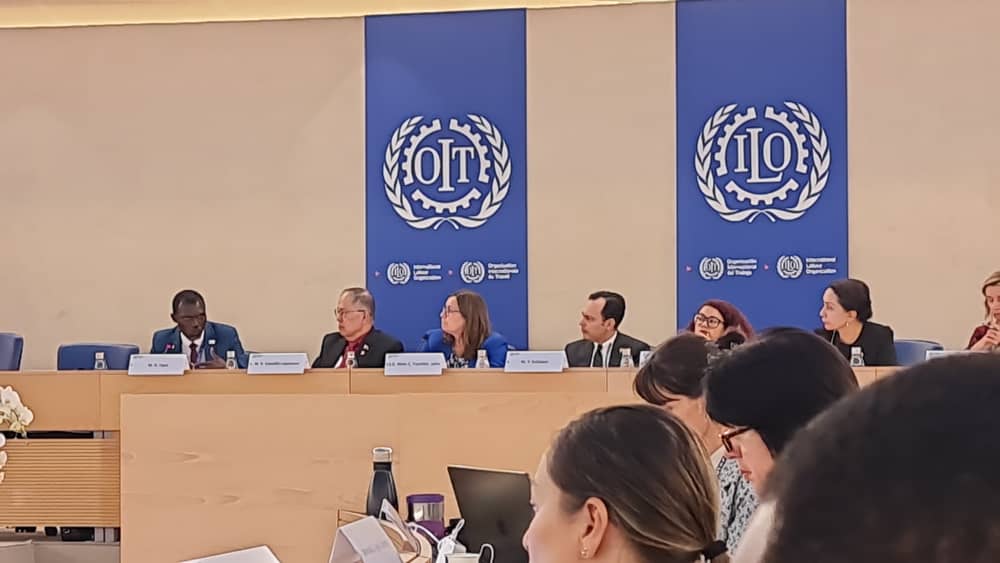
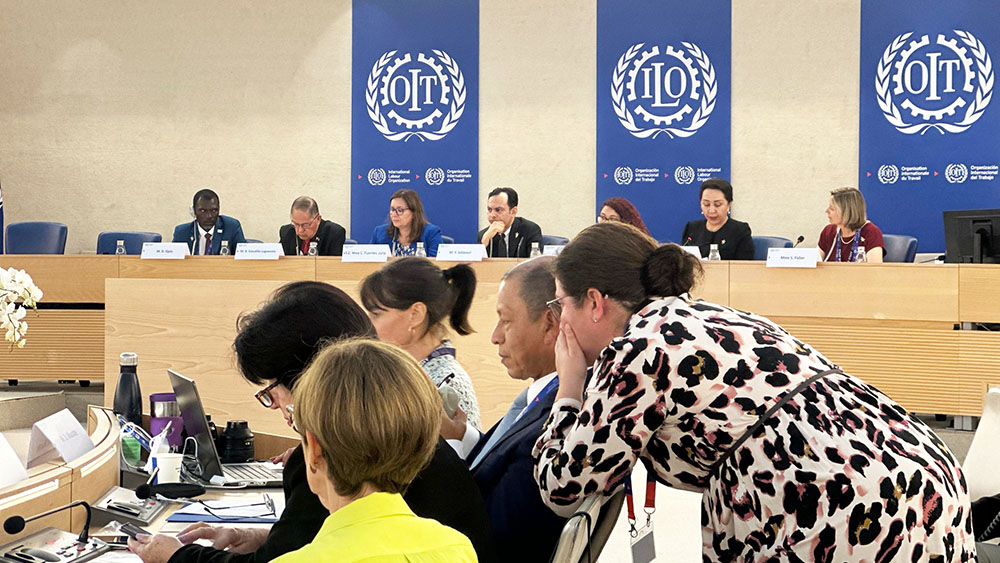
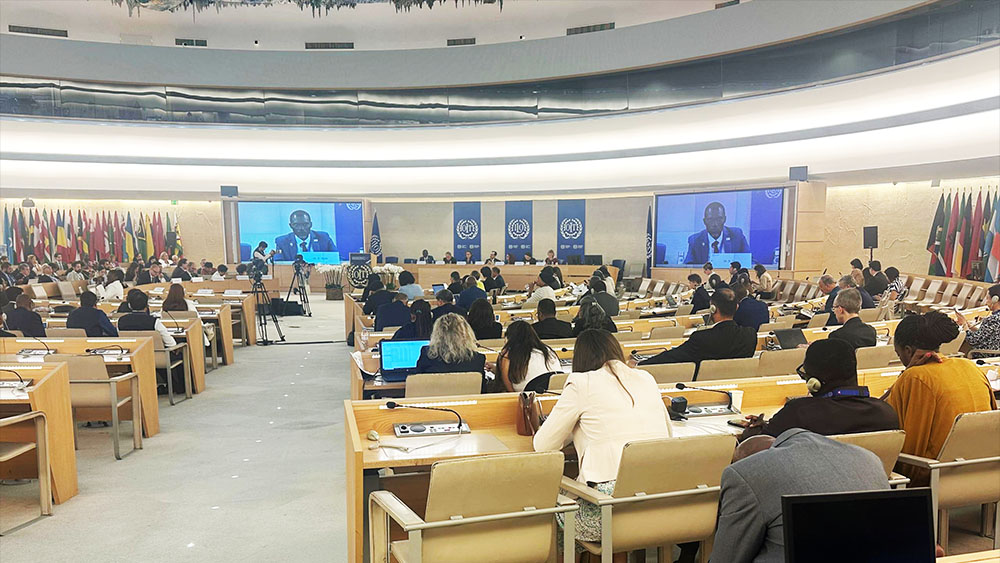
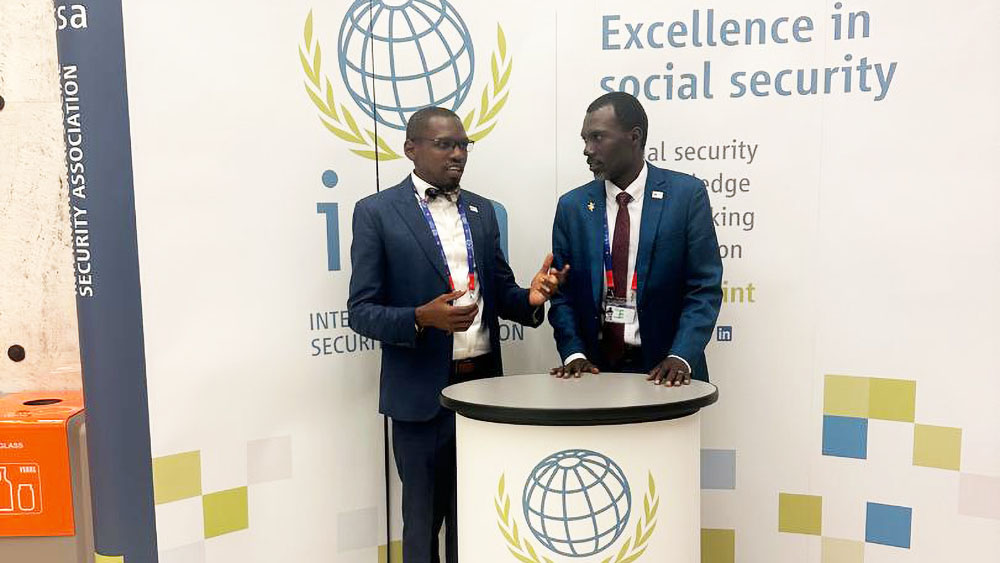
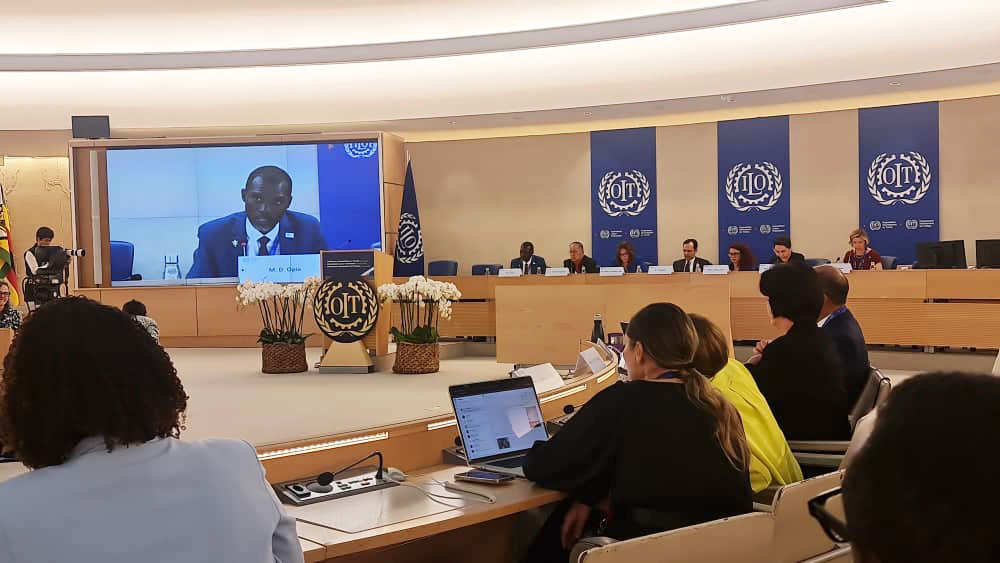
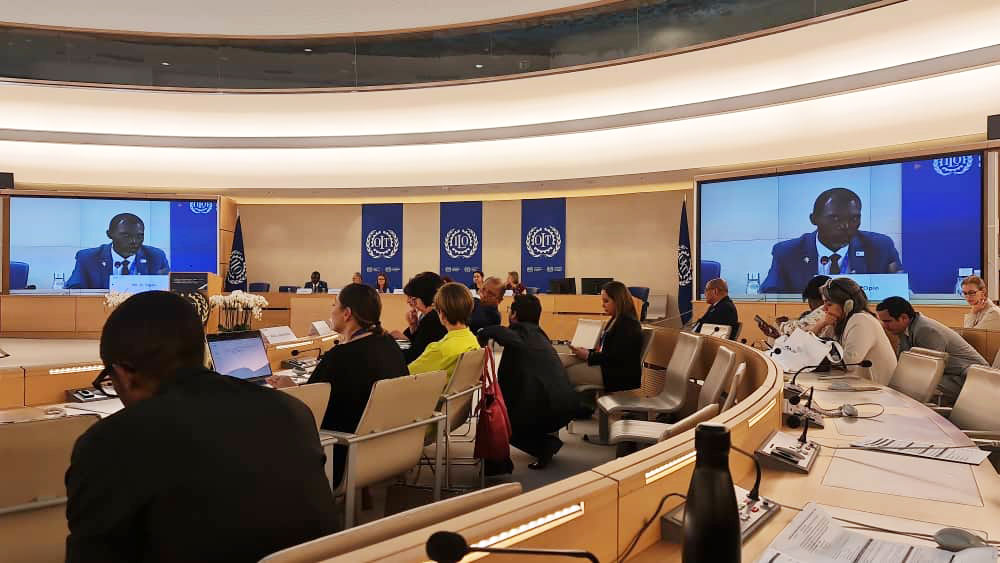
The 113th Session of the International Labour Conference (ILC) was convened from 2nd to 13th June 2025 in Geneva. The ILC brings together Government Officials, Employers Organisations and Workers Representatives from 187 ILO member states to discuss pertinent world of work issues. Our Chief Executive Officer, Mr. Douglas Opio led the Uganda Employers delegation to the ILC.
The ILC 2025 entailed discussions on addressing important world of work matters such as possible new international standards on the protection of workers against biological hazards in the working environment, decent work in the platform economy and innovative approaches to promoting transitions from the informal to the formal economy. The Social Justice Forum was also convened to foster collaborations with a thematic dialogue on living wages for the benefit of the working population.
During the conference, the ILC adopted a convention and accompanying recommendation on biological hazards, a landmark step to protect all workers from exposure to viruses, bacteria, and other biological risks. This is the first time the ILO has set global standards on such hazards, with strong provisions on prevention, inspection, whistleblower protections, access to health services, and compensation for occupational disease and injury. ILO member states are required to ratify this convention.
As the sole Employers’ organisation in Uganda, we believe the ILC provides an opportunity for tripartite partners to share insights, benchmark best practices and promote decent work for all in the ILO member states. Special appreciation to all relevant stakeholders working together to create a conducive work environment.
BMU YOUTH CAREER CLINIC
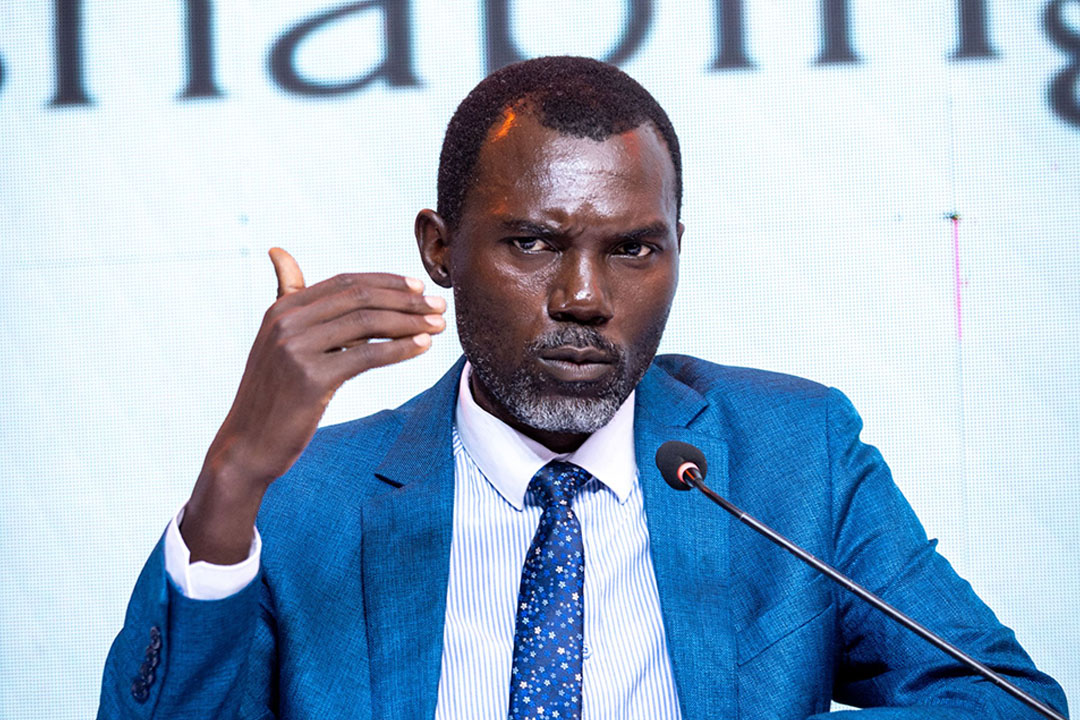
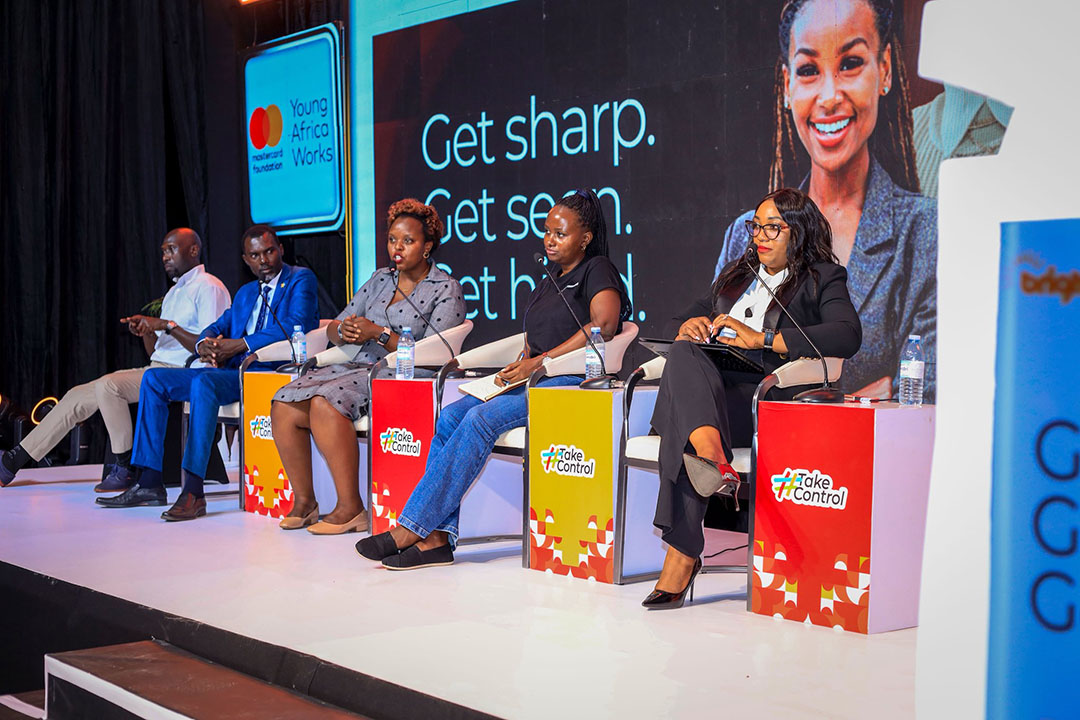
On June 17, 2025, Brighter Monday Uganda(BMU) hosted an enlightening career clinic themed, ‘Skills for Today: Empowering Uganda’s Youth to take Control of their Future’ at Motiv in Bugolobi. Participants included Employers, job seekers and youth among others committed to addressing the challenges and opportunities facing young Ugandans in the evolving labour market. Our Chief Executive Officer, Mr. Douglas Opio was one of the distinguished panelists at the event.
FUE’s participation in the career clinic was significant due to milestones in transforming attitudes towards work, promoting skills development and advancing decent work for all through initiatives such as the Tech@Work Program and the Work Readiness for Inclusive and Sustainable Enterprise (WRISE) Project aimed at equipping youth with soft skills to thrive in the world of work. Additionally, we have supported BMU ease the job-matching through access to various Employers affiliated to the Federation and integration of digital strategies to ease the recruitment process.
In his remarks, Mr. Opio commended BMU for organising such a timely and impactful initiative to address the prevalent notion that theoretical knowledge is less important than practical skills cautioning young people against dismissing the value of theory. He emphasised that a strong theoretical foundation is essential for understanding various aspects of life and work. Mr. Opio additionally encouraged young people to proactively acquire diverse skills to enhance their competitiveness in the workplace highlighting the critical role of soft skills in career advancement.
Furthermore, the significance of cultivating a positive attitude towards work, exploring various fields and specialisation in a particular field were encouraged by other panelists. They collectively offered valuable advice for professional development as well as encouraged business leaders to prioritise employee well-being, mentorship and decent work.
We are keen on enhancing job creation, boosting entrepreneurship, advocating for graduate training opportunities to promote youth employability.


COMMEMORATING WORLD DAY AGAINST CHILD LABOUR
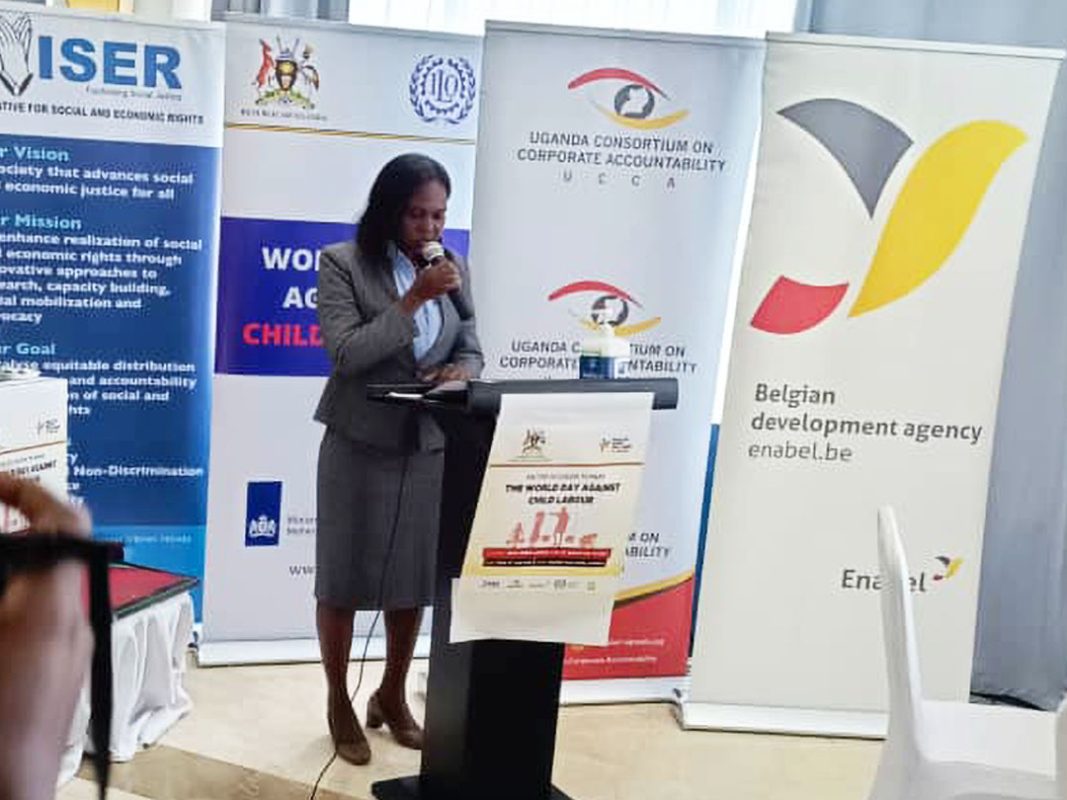
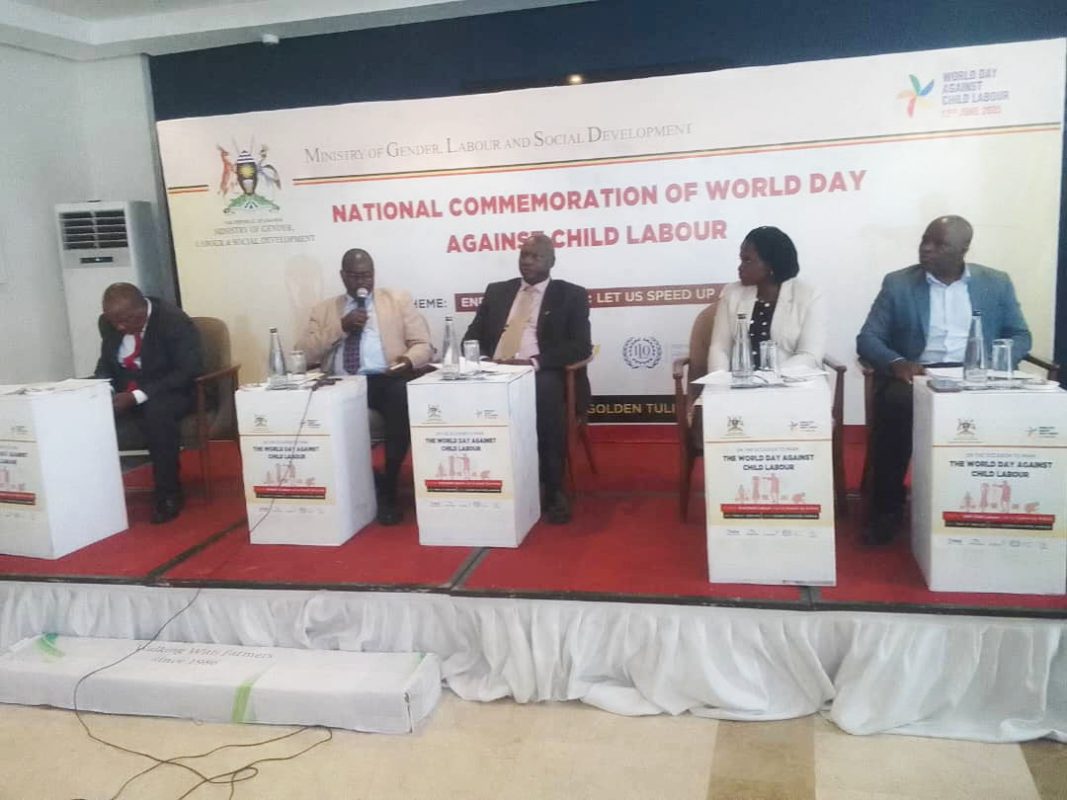
Annually, the World Day Against Child Labour (WDACL) is commemorated on 12th June to spread awareness on exploiting children as cheap labour in the world of work. In Uganda, key stakeholders including FUE, Ministry of Gender, Labour and Social Development (MGLSD) and ILO convened at Golden Tulip Hotel for WDACL. The theme was, ‘End Child Labour: Let’s Speed Up Action’.
FUE participated in the WDACL commemoration activities convened in Geneva as a side event of the ILC 2025. WDACL 2025 focused on a key milestone to release the global estimates and trends on child labour globally because 2025 had been marked as a year characterising the end of child labour globally. These trends will provide a basis to measure progress and design initiatives to end the worst forms of child labour. As a panelist at the WDACL plenary session, I highlighted the interventions by FUE to eliminate child labour including conducting the Employer of the Year Awards (EYA) Survey to identify and recognise best practices by outstanding Employers, conducting due diligence trainings to equip Employers to ensure child labour is eradicated in supply chains as well as strategic community engagement for a wholesome approach to end child labour at all levels.
Through the ILO’s ACCEL-Africa Project, FUE has:
- Trained 240 lead farmers and 60 local government officials on child labour laws.
- Reached 15 million people through TV and radio campaigns.
- Sensitised 300 zonal leaders and farmers in tea and coffee supply chains.
- Distributed 1,000 flyers, 300 T-shirts, and other materials to 900 companies.
- Conducted surveys in tea and coffee sectors, revealing 53% of children work alongside parents.
- Developed policy papers and training handbooks, engaging 650 employers with best practices.
- Trained 114 managers from 41 companies on child labour due diligence.
- Reviewed policies of 100 companies to ensure compliance.
Child labour violates national and international laws, harms education, and undermines future workforce potential. FUE calls on employers to enforce anti-child labour policies, support education through scholarships and provision of scholastic materials, monitor supply chains to eliminate child labour as well as scale up due diligence training. Let us unite for social justice, education, and social protection to end child labour.
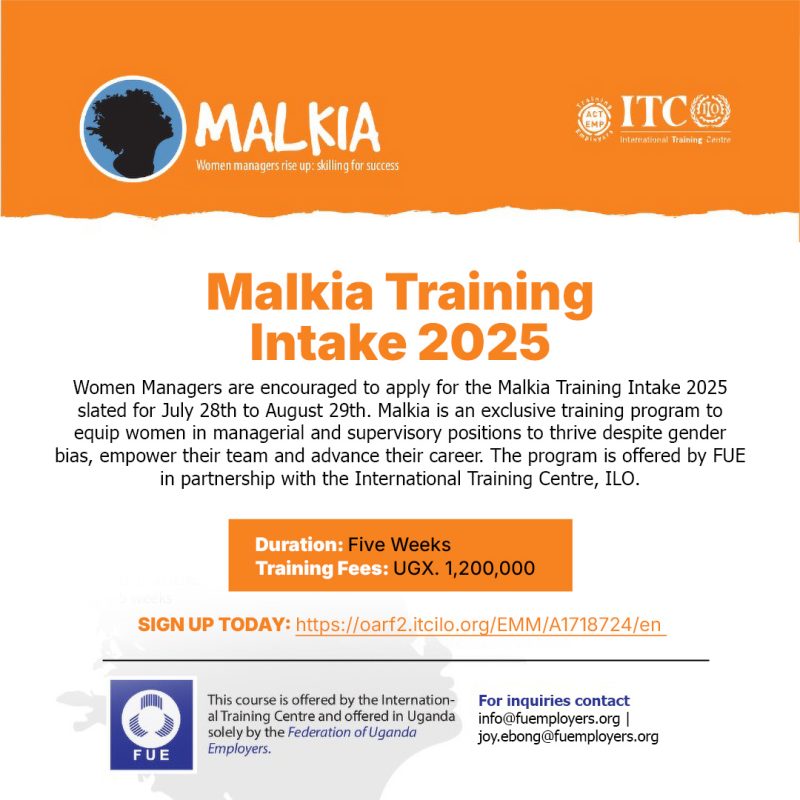
MALKIA TRAINING INTAKE 2025
Women Managers are encouraged to apply for the Malkia Training Intake 2025 slated for July 28th to August 29th. Malkia is an exclusive training program to equip women in managerial and supervisory positions to thrive despite gender bias, empower their team and advance their career. The program is offered by FUE in partnership with the International Training Centre, ILO.
Duration: Five Weeks
Training Fees: UGX. 1,200,000
Sign up today: https://oarf2.itcilo.org/EMM/A1718724/en
For inquiries contact info@fuemployers.org | joy.ebong@fuemployers.org
FUE NEW MEMBER ALERT
We are delighted to welcome UMC Victoria Hospital and Mukono COU Hospital as esteemed members of FUE membership. We look forward to fruitful engagements with these organisations because, ‘Every Good Employer is a member of the FUE’.
Members are encouraged to fully utilise benefits in their stipulated membership category.


FUE STAFF COMMENTARY
NAVIGATING WORKPLACE MENTAL HEALTH AND WELLBEING
From 2024, deliberate efforts on Mental Health Awareness saw the Federation of Uganda Employers (FUE), roll out a series of mental health and wellbeing at the workplace, with specific focus on Men’s mental health in June 2025. This followed by several events not limited to awareness raising, joint partnership engagements, publication of articles that commemorated World Mental Health Day on 10th October 2024 themed, ‘It is Time to Prioritise Mental Health in the Workplace’. According to the World Health Organisation (WHO), mental health has been comprehensively defined as “a state of well-being in which every individual realises his or her own coping with the normal stresses of life, productively and is able to make a contribution to her or his community”. In other words, it is general state of mind and wellbeing which should be intentionally looked as there’s no health without mental and social wellbeing.

The WHO definition highlights the positive connotation of mental health as opposed to the prevailing stigma and misconceived information generally associated with mental health at the workplace. It goes ahead to underpin the fact that everyone has mental health in line with the mental health continuum varying degrees, from positive mental health to mental illness with some severe mental health problems and may need help. Mental health involves one’s emotional, psychological, social well-being and more still physical, spiritual, economic, and nutritional as well since it affects ones cognitive that is how you think, feel, and act–holistically.
One may ask, Why Men? Overall global statistics on mental health revealed by the Workplace Health Report 2023 indicated more symptoms of anxiety and depression among women than men including Uganda ranking among the top 6 countries in Africa with over 14 million mental disorder cases with atleast 35 out of 100 Ugandans battling a mental health problem with females at 5.1% whereas males accounted for 3.6% on anxiety and depression in post COVID-19 era. According to the 2025 Gallup State of the Global Workplace Report, global employee engagement declined by 21%, a significant drop from previous years and the first decline since COVID-19 pandemic which is largely attributed to a decline in managerial engagement as a primary driver particularly among younger and female managers. In any workplace, actively disengaged employees point to trends of declining life concerns that indicate broader issues of mental health and well-being in the workplace with depression and anxiety accounting for 12 billion lost working days globally each year, costing the global economy an estimated 1trillion USD in lost productivity annually.
This points to the crucial role of leaders and managers in driving mental well-being and team productivity and the consequences of their disengagements have far-reaching impacts and problems of mental health in workplaces affecting overall business performance hence potentially hindering economic growth due to substance use, increased absenteeism or presentism, aggression at work, higher turnovers, sickness, absence, reduced productivity and engagement, accidents and injuries, errors at work, violence and harassment, child abuse and neglect in addition to unemployment. With many reports that mental health affects work performance, particularly among young workers (under 44 years old) including loss of lives as witnessed in extreme cases of mental health illness and violence incidents where an employee recently shot and murdered senior officers in the employer’s premises due to unexpected termination from the job.
Today’s unprecedented workplace mental health surge has further been impacted by the geo-politics and global conflicts leading to withdrawal of donor support to governments and civil societies, project closures in most developing countries which has greatly affected workplace productivity, increased stress levels among the active productive skilled labour. This specific focus on men’s mental health usually salient yet often understated within Men’s Mental Health landscape largely shaped by distinct challenges men face deeply rooted in masculine barriers and societal norms, stigma, persistent work place pressures and traditional gender roles expectations. These aspects prevent men from seeking help from colleagues, professional assistance in addition to under reporting of struggles or even acknowledging mental health struggles hence calling for specific targeted culturally sensitive interventions.
Some of the common mental health challenges in men include;
- Depression: Often goes unrecognised because it may manifest as irritability, anger, or fatigue rather than sadness.
- Anxiety: Masked by overworking, controlling behavior, excessive substance use, sleep problems and fatigue.
- Substance Abuse and Misuse: Men are more likely to use substances like alcohol and drugs to cope with mental distress.
- Suicide: Men commit suicide at significantly higher rates than women often due to lack of support or untreated conditions.
- Post-Traumatic Stress Disorder (PTSD): Common in veterans, abuse survivors, or those exposed to violence or trauma.
- Work-Related Stress: High expectations to be providers or “tough” can increase emotional pressure hence chronic stress leads to burnout, anxiety, depression, and physical health problems.
- Burnout: Men may work longer hours to meet societal or personal expectations to ‘provide’. A high` percentage of employees (76%) experience burnout at least occasionally and those experiencing regular burnout are more likely to take sick days or seek new employment.
- Dementia: Loss of memory due to persistent sadness or hopelessness.
- Pressure to Perform: Workplace culture often emphasises strength, control, and endurance as qualities of men hence the need to uphold the façade even when struggling due to fear of job loss, judgment, or missed promotions;
- Stigma and Silence: Majority of men fear being seen as “weak” if they admit to stress, burnout, or emotional struggles which leads to under reporting and untreated issues.
- Lack of Supportive Structures: Most mental health services at work are generic, not addressing men’s specific needs or communication styles with limited role models or leaders who openly discuss about mental health.
- Lacks of Awareness– Some men don’t recognise the signs of mental health problems such as withdrawal from friends, family, or activities, increased irritability or anger, risk-taking or reckless behavior
- Masculinity Syndrome: The “man up” culture discourages emotional vulnerability when men are told not to show emotions which translates to “be a man” an illusion outrageously blown out of proportion.
Action Call Strategies for Employers;
- Increase Access and Resources: In order to curb limited or uncomfortable options for men, open discussions to promote mental health awareness especially for men to challenge stigma is critical.
- Managerial Support: Train managers and equip them to recognise signs of emotional distress and respond appropriately to address mental health concerns at the workplace.
- Offer tailored resources and provide access to male-focused support, counselling, or peer support groups.
- Offer flexible work options that allow adequate time for rest, therapy or family responsibilities to avert mental ill-health.
- Institutionalise male role models to champion mental health campaigns at the workplace by sharing their own mental health stories to break stigma.
- Provide incentives and rewards for men to speak up to a supervisor, HR, or colleague that leads to meaningful support.
- Provide specialised Employee Assistance Programs (EAPs) with confidentiality free support services at workplace. In addition, prioritising employee well-being to build capacity of men to appreciate self-care, take breaks, make time for sleep, exercise, and social interactions at the workplace.
- Introduce a mental health culture championed by leaders in organisations to redefine strength as many employees (56%) view company culture as more important than salary and companies with good culture report higher revenues.
- Promote open communication in organisations to encourage emotional expression without judgment, opportunity to seek help, vulnerability, and deliberate care for mental well-being.
- Build resilience through integrated approach of prevention, protection and promotion, provide access to therapists, support groups, or help lines coupled with men supporting each other to reduce vulnerability makes a huge impact.
In the world of work today, for mental health initiatives to be truly effective, impactful and sustainable, there is need to recognise the significant role of a multi-faceted approach for a robust engagement and strategic investment at board room levels to improve mental health at the workplace not merely as advantageous but as absolutely essential. For all Employers in Uganda, Africa and globally, a great opportunity lies in rising global engagement levels to 70%, to unlock a $9.6 trillion increase in productivity with focus on employee well-being, particularly manager well-being, as essential for creating a thriving and productive global work force as per Gallup.
This high-level commitment ensures that ethical responsibilities are seamlessly integrated with tangible business objectives, reinforcing the organisation’s dedication to its people from the highest echelons of leadership–when people have good working conditions, good management practices, their mental health and well-being is protected, they are better able to cope with stress, realise their own abilities, learn and work well to actively contribute to their organisations, communities and national development. All the above underscore the pervasive nature of mental health challenges across the workforce, highlights the specific obstacles faced by men, and quantitatively demonstrate the compelling Return on Investment (ROI) associated with comprehensive mental health interventions in the workplace and actionable recommendations emphasizing integrated, confidential, and de-stigmatized support systems, inclusive manager training, promotion of flexible work, and the establishment of a clear governance framework for measuring mental health impact at the workplaces that is regularly reviewed by the C-suite Leaders to prevent, promote, protect and support enabling environments.
References:
WHO, 2014. World Health Organization (WHO)’s Mental Health Action Plan 2013-2020
The UN General Assembly Sept 2015, Decent Work Agenda-2030 Agenda for Sustainable Development
UBOS’ 3rd Annual Labour Survey 2021 report
WHO, 2022. 10 Mental Health Risk at the work place as reported by WHO 2022 guidelines.
Champion Health, the workplace Health report, 2023.
Gallup State of the Global Workplace report, 2024 & 2025.
2023-2024 Human Development Report, United Nations Development Programme.
Golda Oboma
Head, Human Resource, Training and Consultancy
Mental Health Ambassador.
UPCOMING EVENTS