ISSUE 84 | JANUARY 2026
AN OFFICIAL NEWSLETTER OF THE FEDERATION OF UGANDA EMPLOYERS
FUENEWS
THE VOICE OF EMPLOYERS
FUE CEO MESSAGE

Dear Esteemed Member,
2026 started on a high note, and we are delighted to have you on board as valued members of the Federation. Uganda conducted its general elections to decide leaders for the new term. Congratulations to His Excellency, Yoweri Kaguta Museveni, for his re-election as President of the Republic of Uganda. We wish the President and the other newly-elected national leaders a fruitful tenure of service.
2026 at a Glance
According to the Employment and Social Trends 2026 Report published by the International Labour Organisation (ILO), the global unemployment rate is projected to stay at 4.9% in 2026- equivalent to 186 million people around the world still lacking access to quality jobs while artificial intelligence (AI) and trade policy uncertainty risk further undermine the job market. It’s significant to note that skills-based hiring, AI integration and hybrid work arrangements will take center stage at the workplace. At FUE, we reiterate our commitment to enhance employer competitiveness, promote skills development and boost job creation through policy, advocacy fostering good employment relations and provision of high-quality services.
Throughout the year, our annual programs such as the FUE-CEO Breakfast Meetings, the Annual General Meeting, the Employer of the Year Awards (EYA) Dinner and the Annual Women Leadership Conference, consultative meetings, trainings, webinars among others that aim to provide a detailed accountability of 2025, create a support system for business leaders, amplify best business practices, boost women leadership capacity and foster professional development at the workplace will be convened. The FUE Training Calendar 2026 featuring various resourceful trainings will be conducted to foster professional development whereas the special courses such as the Leadership Development Female Future Program and Malkia will continue to equip ladies with practical leadership skills to excel at work, in business and politics. Additionally, the EYA, Salary and Benefits Surveys will be conducted to recognise outstanding Employers and streamline renumeration packages across sectors to retain top talent respectively.
As a strategic tripartite partner, we look forward to working with relevant stakeholders at national and international level including the Ministry of Gender, Labour and Social Development (MGLSD), trade unions, ILO, International Organisation of Employers(IOE), the East Africa Employers Organisation (EAEO), Enabel, Danish Industry, the Confederation of Norwegian Enterprise (NHO), the Danish Family Planning Association (DFPA), Light for the World, National Union of Disabled Persons in Uganda (NUDIPU) to advance decent work, job creation, youth employment, foster disability inclusion, advance gender equality and Sexual Reproductive Health Rights (SRHR), eliminate child and forced labour.
As we build strong entities and establish strategic partnerships, let’s work together to create a conducive business environment to achieve sustainable development. We look forward to a fruitful and prosperous year ahead.
Thank you,
Together for Employers.
Douglas Opio
The Chief Executive Officer, FUE
CONTENTS
- FUE CEO Message
- PRAs Engagement Workshop on Safe Labour Migration
- The 4th Labour Migration Advisory Meeting
- The OSH Amendment Act 2025
- FUE Staff Commentary
- Call for Participation in the FUE Salary Survey 2026
- Leadership Development Female Future Program 2026 Intake
- FUE Training Calendar 2026
- Upcoming Events


PRAs ENGAGEMENT WORKSHOP ON SAFE LABOUR MIGRATION
Over the years, the labour externalisation sector has evolved into a cornerstone of Uganda’s macro-economic stability and integral livelihoods. The sector is estimated to generate over UGX. 5 trillion in annual inflows that can finance healthcare, education and small-scale industries among others.
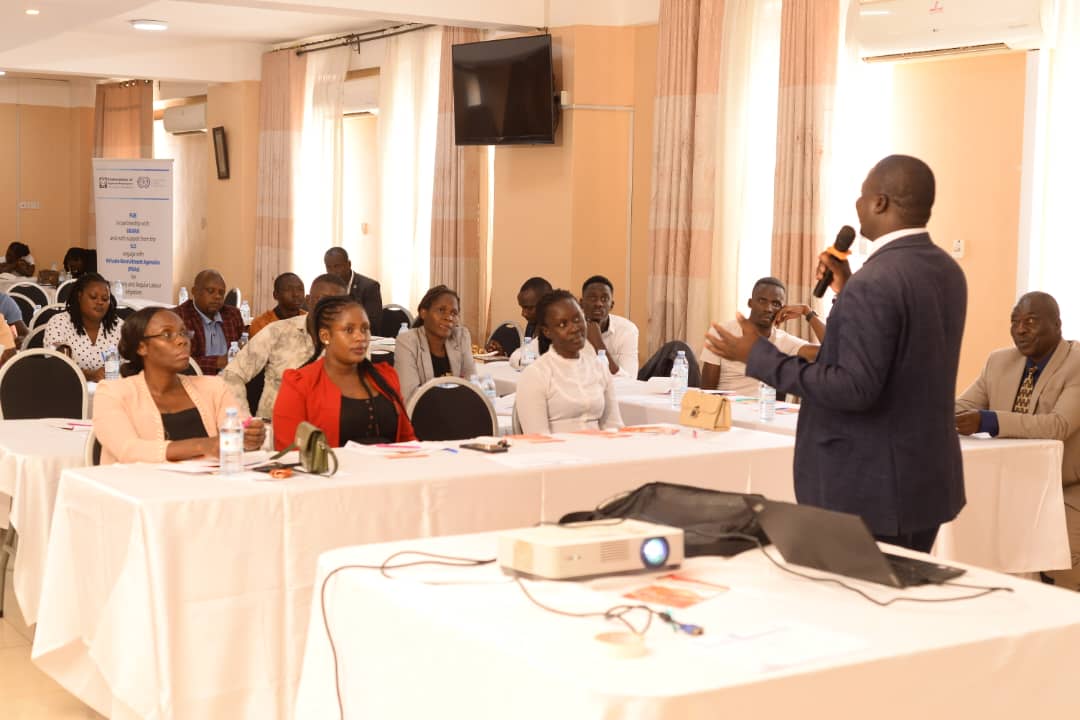
In light of this, we convened an engagement workshop on Friday 9th January 2026 at Eureka Place Hotel for the Private Recruitment Agencies (PRAs) in Uganda to enhance safe, orderly, and regular labour migration. The workshop sought to present survey findings and recommendations from a comprehensive needs assessment of the PRA sector conducted by FUE in partnership with ILO under the BRMM Programme, MGLSD, Uganda Association of External Recruitment Agencies (UAERA), National Organisation of Trade Unions (NOTU) and Confederation of Free Trade Unions (COFTU).
During the workshop, the survey findings such as non-stringent parameters to start organisations, reliance on the Middle-East countries as the primary destination country, training gaps for migrant workers, licensing delays and high compliance costs were shared and discussed extensively with participants. The recommendations highlighted include establishing targeted support for regulatory-burdened start-ups, creating a supervisory shield to decrease compliance interruptions and implementing a four-tier membership model that aligns with agency maturity and risk profile. Bilateral labour migration agreements were also emphasised to protect migrant workers from exploitation.
FUE seeks to reposition itself as a Strategic Risk and Resilience Partner for PRAs. This will lead to streamlining regulatory and policy issues to ensure free and smooth movement of labour. We believe this collaboration between FUE and PRAs will promote decent work, foster social protection and boost capacity building in recruitment agencies to protect migrant workers from migrant workers. We look forward to future engagements to create a conducive work environment and sustainable development.










THE 4TH LABOUR MIGRATION ADVISORY MEETING
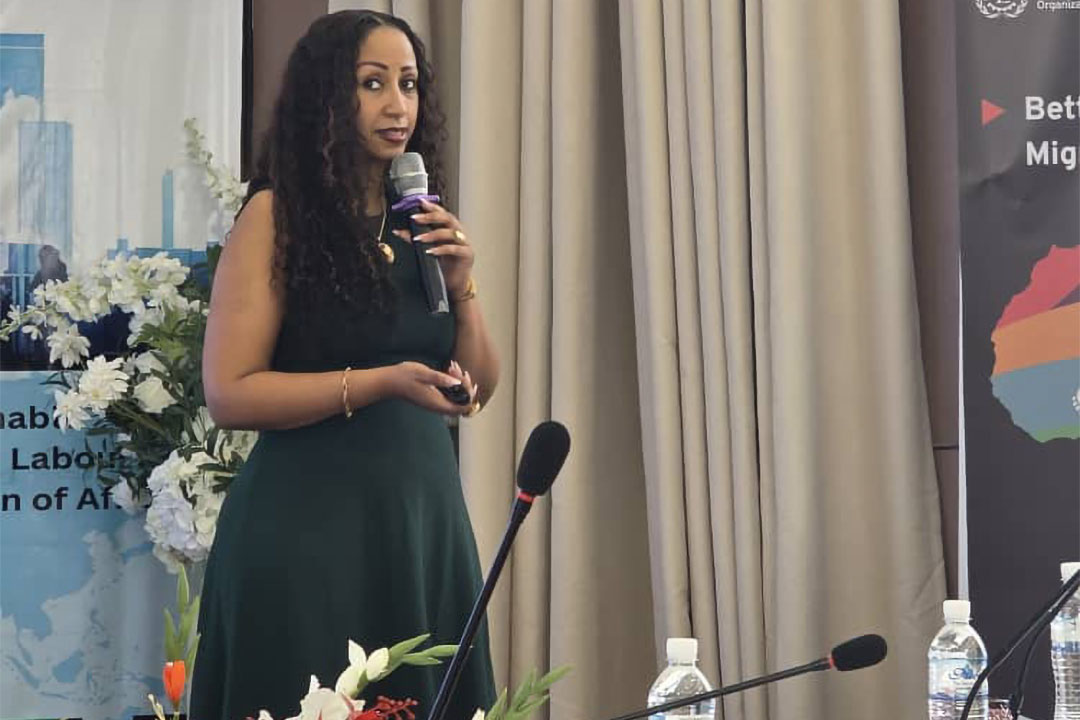
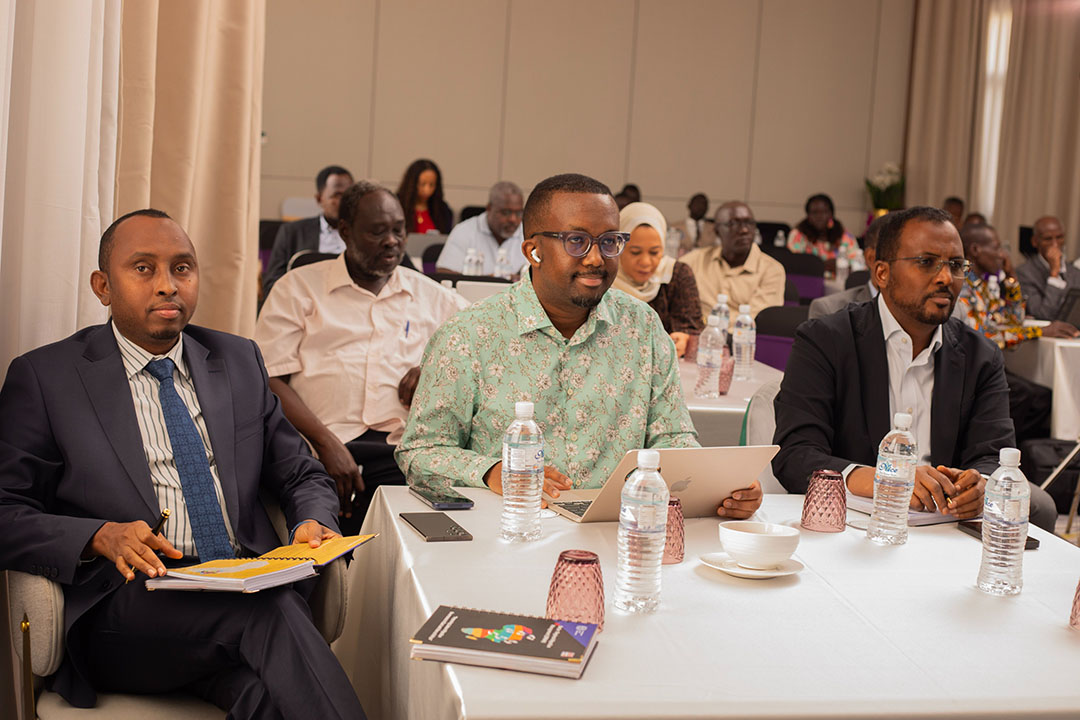
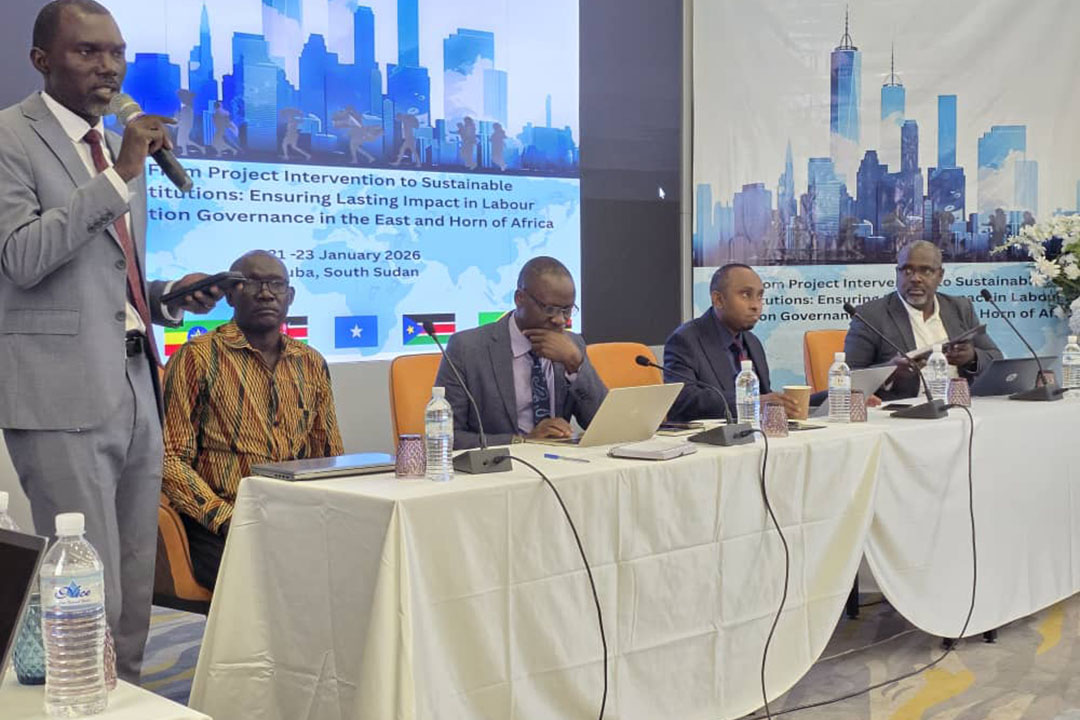
As a key stakeholder of labour and employment matters, we participated in the fourth Labour Migration Advisory Meeting (LMAG) with tripartite and social partners convened by the ILO Better Regional Migration Management (BRMM) Programme. The meeting convened from 21st to 23rd January in Juba brought together government officials, social partners, PrEAs and regional bodies to focus on sustaining labour migration governance outcomes beyond the project cycle. The LMAG focused on transitioning BRMM-supported interventions into nationally and regionally owned institutions covering labour migration statistics, skills partnerships, reintegration and fair recruitment.
During the meeting, skills certification and recognition as well as social protection for migrant workers were key aspects of discussion. Participants from Uganda, Ethopia and Kenya shared country experiences on Recognition of Prior Learning (RPL), pre-departure orientation and migrant welfare mechanisms to support labour market integration. The LMAG reaffirms the importance of regional cooperation, social dialogue and sustained institutional engagement in addressing labour migration challenges in the East and Horn of Africa.
We believe these discussions among relevant stakeholders will advance decent work for all and enhance free movement of labour within the region hence economic growth, skills development and improving livelihoods.



THE OSH AMENDMENT ACT 2025
The Occupational Safety and Health (OSH) (Amendment) Act 2025 marks a significant evolution in the legislative framework governing workplace safety and health standards. This amendment expands upon the foundational OSH Act of 2006 introducing comprehensive changes aimed at enhancing the safety and health of workers across all sectors. The amendments are designed to address contemporary challenges in occupational safety, reflecting the dynamic nature of modern workplaces and the increasing complexity of occupational hazards.
Employers are implored to understand the implications of these legislative changes. The Act is crucial to create a proactive approach to workplace safety governance, ensuring that all legal obligations are met and that the highest standards of safety are maintained.
View the OSH (Amendment) Act 2025
For any inquiries and support, contact us through our OSH Specialist, Henry Sabah, henry.sabah@fuemployers.org
FUE STAFF COMMENTARY
UTILISE SALARY SURVEYS DATA FOR BETTER DECISIONS ON EMPLOYEES WELFARE AND COMPETITIVENESS
“Data really powers everything that we do”, says Jeff Weiner, a prominent American business executive, best known as the former CEO and current Executive Chairman of LinkedIn. While Douglas R. Conant, an internationally renowned business leader who previously served as the President and CEO of the Campbell Soup Company, an author with New York Times and Wall Street Journal, a keynote speaker and thought leader says, “To win in the marketplace, you must first win in the workplace.”
These assertions by the internationally renowned business gurus highlights the direct link between informed workplace decisions, engaged employees and business success. One of the best practices to guide workplaces into making informed decisions is by using data (figures). Data shows you what is working and what is not (Salesforce SMB Team, 2025). The goal is to transform data into information, and information into insights that would help your organization to be an attractive employer as Theodore Roosevelt, the former US President advises: “In any moment of decision, the best thing you can do is the right thing, the next best thing is the wrong thing, and the worst thing you can do is nothing”.

Based on the above facts, any progressive organisation needs salary survey data and trends to enable its managers make informed, data-driven decisions on compensation strategy to attract, retain, and motivate top talent, manage costs effectively, and ensure legal compliance. When reliable salary survey data is used, it moves compensation decisions from subjective opinions to objective, defensible, and strategic investments in an organization’s most important asset–its people. As employees feel valued and recognized, their engagement levels rise, leading to better performance and higher employee retention. Ultimately, this would positively impact on customers leading to consistent business growth.
Natasha Wiebusch, a former practicing attorney, HR compliance and training specialist defines salary survey, also called a market survey as a form of external salary data where companies (organisations) participate in the survey by providing average salaries for all or some positions in their company. The Salary surveys can be organized by location or region, industry or specialized industry, company size, and other factors. She added that because the purpose of salary surveys is to show averages for common positions, participating companies typically provide salaries for positions that are likely to exist within the industry. And these types of positions are called benchmark positions.
According to Memory Nguwi (2024), salary surveys are comprehensive reports providing up-to-date compensation data for various positions across different industries and organizational factors. Companies gather this information by collaborating with specialized consulting firms. Salary surveys often present detailed breakdowns of compensation figures, including base salary, incentives and bonuses, benefits, and allowance (which gives total compensation for a given position).
Since your organization’s employees are its greatest asset (Pearl Meyer, 2017), and the fact that employees’ retention is, and has been a huge issue for many businesses and human resource managers in Uganda, the use of a high quality, and independent salary survey ought to be a key component in your compensation strategy to help you stay on target to attract and retain the best talent in your organisation. The Federation of Uganda Employers (FUE) conducts salary surveys as one of its consultancy services to employers by providing reliable and up-to-date compensation data for various positions across different sectors, which helps the participating organisations to make important salary decisions, including compensation adjustments to enhance competitiveness in the market segment. As Mercer, an international consulting firm rightly cautions: “If you’re not paying competitively, nothing else matters”.
When the call for participation in salary survey is sent out to all FUE members (normally in the first quarter), salary survey reports are made based on demand. The sectors that attract sufficient number of participating organisations which provide reliable benchmarks get access to the market survey data and trends (salary survey report). Similarly, FUE conducts special salary surveys on behalf of any organisation/ company whenever there is need by such organisations to address workplace related issues like low employee engagement and high turnover rate that characterise many organisations in Uganda today.
Pay raise requests are common in some workplaces when their employees have accumulated some tenure, or when they get to know that other organisations in the same industry are providing better remuneration for the same job positions or when workplace productivity and profits have increased. So, a salary survey is necessary in addressing such issue by providing you with salary averages (market pay rates) for common positions in your sector as a guide to setting fair and informed compensation that attracts top talent, boosts morale, and builds a stellar employer brand (Birches Group 2024).
Natasha Wiebusch, an HR compliance and training specialist, and Memory Nguwi (2024), a prominent Occupational Psychologist and strategic HR consultant provide some critical insights on how salary surveys would empower organizations to make informed decisions which are vital on matters pertaining human resources. According to them, participation in, and access to salary surveys data and trends:
- Ensures Competitive Salaries: Salary survey data is the best way to make sure your salaries are competitive with other companies so you can compete for top talent.
- Reduces Turnover: Your employees are your largest investment. Investing in salary surveys will help you retain talent as salaries change over time.
- Increases Transparency: It is helpful to have salary survey data in case a manager wants to offer more than the recommended salary range or an employee asks for a pay raise that is too high.
- Ensures Legal Compliance: Salary surveys provide you with the information you need to make salary adjustments to comply with pay equity in national laws and regulations.
- Enables Informed Budgeting Practices: Analysing compensation data informs crucial budgeting decisions related to salary increments, new hires, and promotions.
- Facilitates Performance Evaluation: Salary surveys offer valuable insights into performance-based rewards. Understanding what constitutes competitive incentive plans encourage companies to structure such systems to incentivize top performers and align employee goals with overall organizational objectives.
Therefore, in today’s competitive business landscape, every organisation needs salary surveys data and trends to make informed decisions on matters which are vital to human resources, including helping managers to align compensation with market trends to remain competitive in the labour market. As Pearl Meyer (2017) rightly puts it, the use of a high quality and independent salary survey is a key component that ought to be in your compensation strategy as it helps you to stay on target to attract and retain the best talent which is essential for an organization’s success. Happy employees lead to happy customers, which leads to more profits. Indeed, a robust compensation strategy built on reliable market data is a prerequisite to achieving organization’s success.
By Patrick Ajuna, Policy and Research Officer
CALL FOR PARTICIPATION IN THE FUE SALARY SURVEY 2026
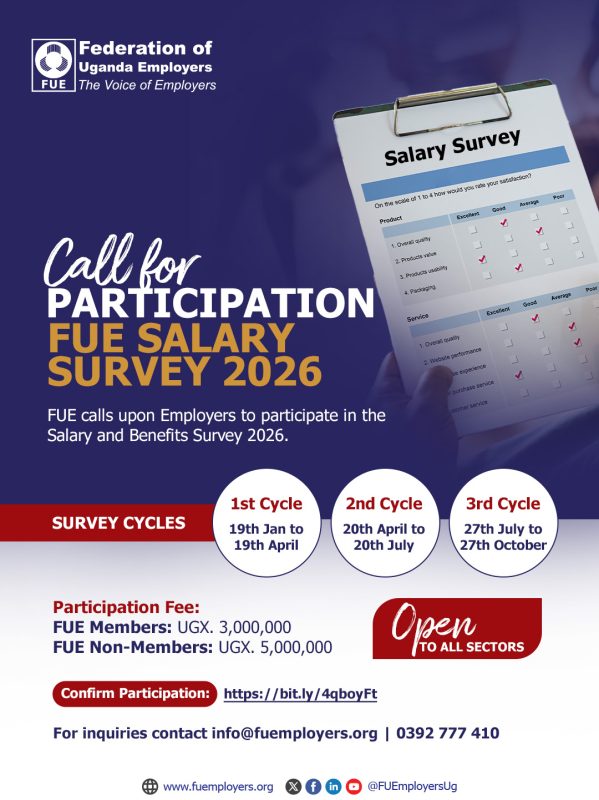
The Federation of Uganda Employers (FUE) invite you to participate in the Salary and Benefits Survey 2026. The objective of this survey is to collect confidential and comparable market pay rates/ salary averages for similar positions in each sector on salaries, allowances, benefits, and terms of employment for organisations within Uganda to help managers understand the labour market trends for better and informed decisions on compensation, remuneration, and other employee-related activities.
The 2026 survey targets all Employers operating across various sectors of the economy. The survey will be conducted in three different complete cycles. Each cycle will take a period of approximately three (3) months. The first cycle starts from 19th January 2026 to 19th April 2026, the second cycle from 20th April to 20th July 2026, while the third and last cycle will start from 27th July to 27th October 2026.
Confirm Participation: https://surveys.fuemployers.org/salarysurvey_participation.php
The sectoral salary report will be shared with only the participating organisations at the end of each cycle.
Participation Fees
FUE Members: UGX 3,000,000
Non-Members: UGX 5,000,000
For more information, contact Patrick Ajuna patrick.ajuna@fuemployers.org | on +256 772844031
Dan Okanya on dan.okanya@fuemployers.org | +256 754 738563
LEADERSHIP DEVELOPMENT FEMALE FUTURE PROGRAM 2026 INTAKE
We are excited to announce a new intake of the Leadership Development Female Future Program 2026 starting this February. FFP is an exclusive training program to equip women leaders with practical leadership skills to excel at work, business and politics.
Sign up today for the 26th and 27th Cohorts of FFP.
For inquiries contact info@fuemployers.org | 0392 777 410.

FUE TRAINING CALENDAR 2026
The FUE 2026 Training Calendar is ready, offering resourceful capacity building sessions to equip Employers with relevant skills to thrive in the evolving labour market. These sessions will be delivered in-person, virtually and can be customised to suit an organisation’s needs.
View the FUE 2026 Training Calendar
For inquiries and to request a customised training, contact info@fuemployers.org | 0392 777 410.

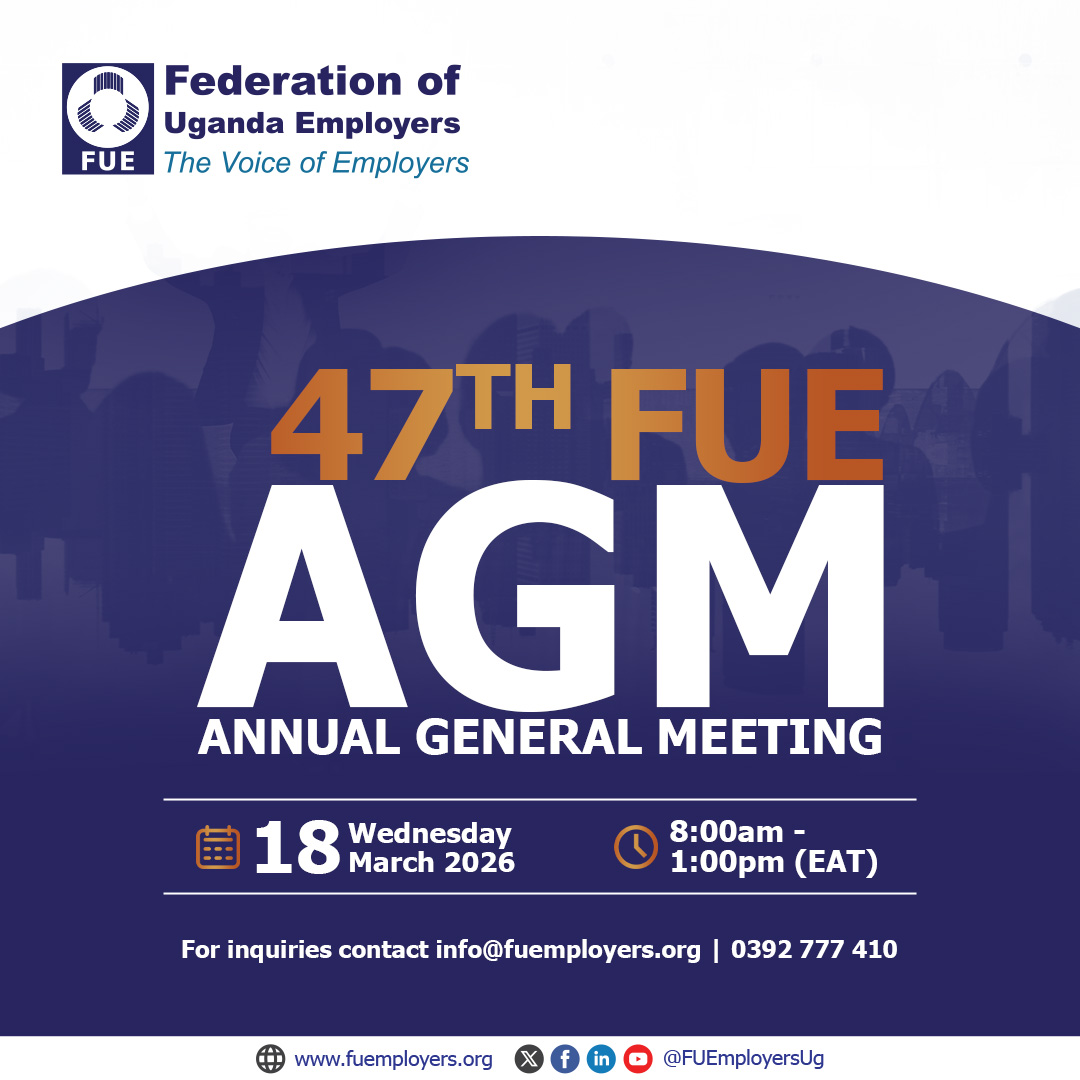
UPCOMING EVENTS