According to Article 22 of the 1948 Universal Declaration of Human Rights, everyone, as a member of society, has the right to social security. Similarly, Article 9 of the International Covenant on Economic, Social and Cultural Rights states: ‘The state parties to the present covenant recognise the right of everyone to social security, including social insurance’. In addition, the United Nations Sustainable Development Goals (SDGs) state that establishing comprehensive social protection systems are essential for ending poverty, reducing inequality, and building resilience against economic and environmental shocks. Also, the 1995 Constitution of Uganda guarantees social protection by outlining it as a fundamental right, mandating the State to provide basic welfare, pension, and retirement benefits. In this regard, the Ministry of Gender, Labour, and Social Development (MGLSD) in collaboration with the International Labour Organization (ILO) is implementing an initiative aimed at strengthening the application of Social Security Standards in the design and implementation of national policies and programmes to promote comprehensive social protection systems in Uganda.
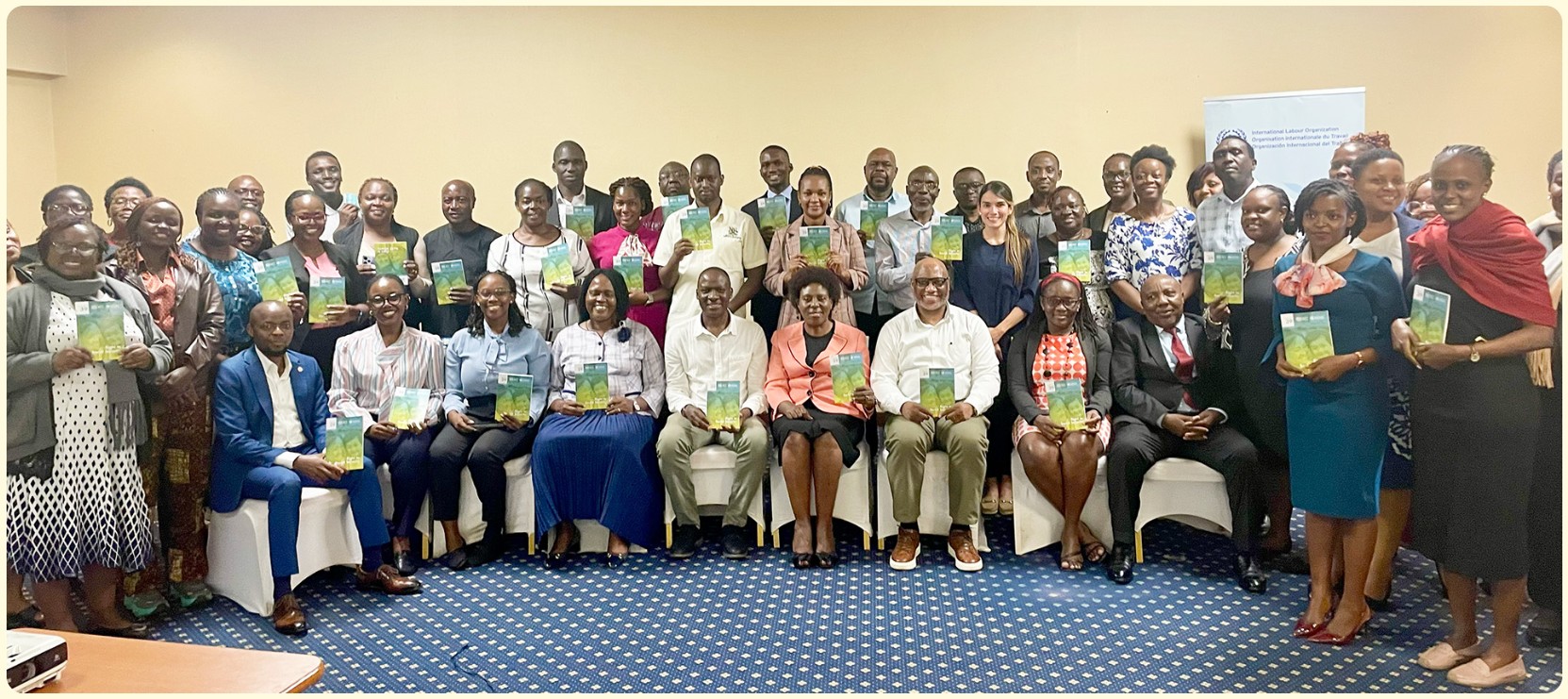
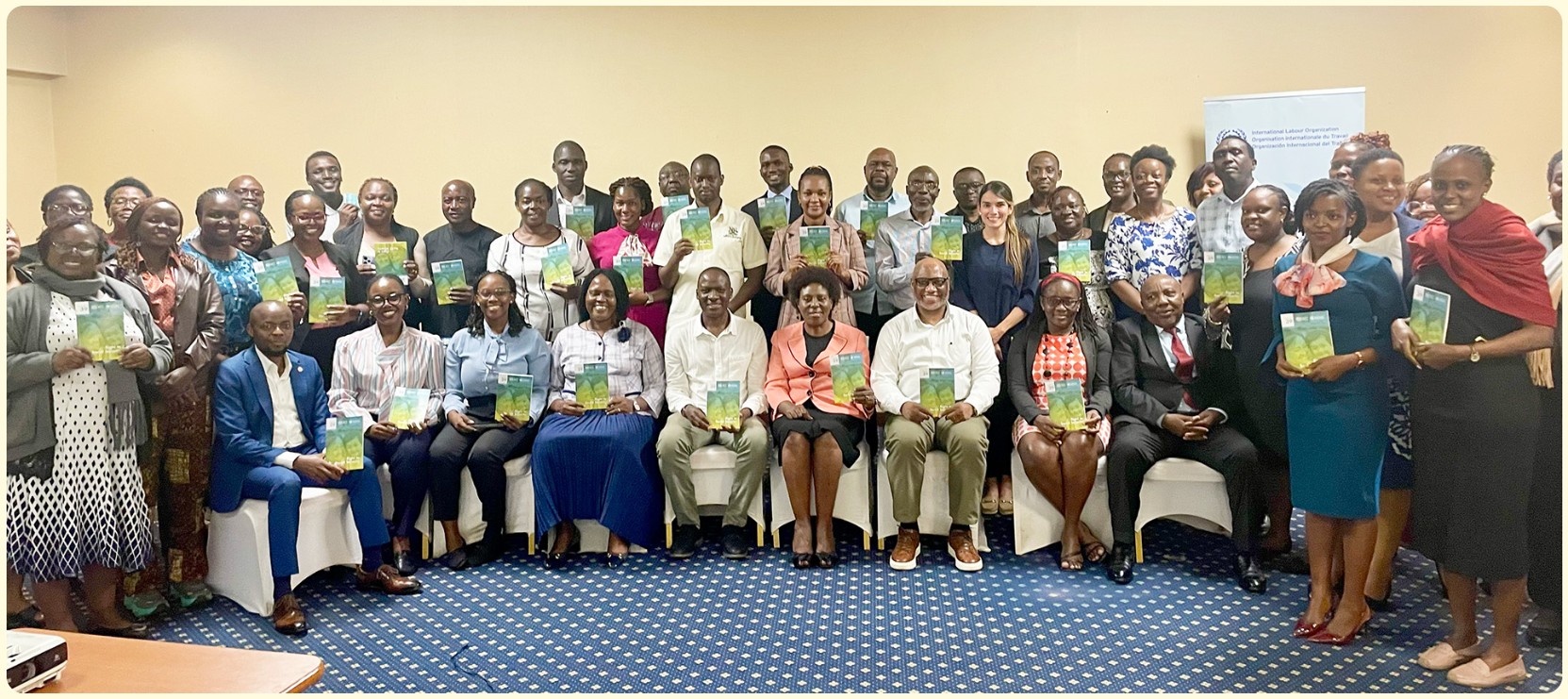
In line with our role on lobbying and advocacy, we participated in a three-day capacity building workshop from Monday May 11 to Thursday May 14 at Lake Victoria Granada Hotel in Entebbe 2026 organised by the MGLSD in collaboration with ILO. The main purpose of the workshop was to strengthen national capacities to apply international social security standards, foster a common understanding of social protection principles and minimum benchmarks, and develop a roadmap to guide priorities and follow-up actions. Participants included the officials from the MGLSD, ILO, Bank of Uganda Social Security Scheme, National Social Security Fund (NSSF), Uganda Retirement Benefits and Regulatory Authority (URBRA), National Planning Authority (NPA), Equal Opportunities Commission (EOC), Ministry of Public Service, Ministry of Local Government, Ministry of Works and Transport, Uganda Prisons Service, Uganda Bureau of Statistics (UBOS), Federation of Uganda Employers (FUE), Parliamentary Advocacy Forum on Social Protection, National Organisation of Trade Union (NOTU), Central Organisation of Free Trade Union (COFTU), Kampala City Traders Association (KACITA), among others.
The ILO Social Security (Minimum Standards) Convention No. 102, which is the flagship of all ILO social security conventions, establishes the minimum benchmarks for national social security systems. Accordingly, member states can ratify a minimum of three branches out of the nine, including at least one of the branches that covers pensions or unemployment in order to be compliant with this international social security standard. Then, the Convention allows for the step-by-step extension of social security coverage. The nine branches of the ILO Convention 102 are: Medical Care, Sickness Benefit, Unemployment Benefit, Old-age Benefit, Employment Injury Benefit, Family Benefit, Maternity Benefit, Invalidity Benefit, and Survivor’s Benefit.
However, during the workshop, an analysis of the different social protection schemes in Uganda was made which revealed that a lot of gaps still exist in terms of coverage (of the population), the number of contingencies covered, and the adequacy of the benefits provided, implying that Uganda do not meet the minimum standards of social protection as per Convention 102. Besides, the country has not yet ratified this international social security standard Convention 102.
In view of the above, raising awareness about the importance of promoting comprehensive social security systems in the country, initiating the process of the ratification of Convention 102 and anchoring social protection systems to national laws formed part of the way forward from the workshop.
Therefore, establishing comprehensive social protection systems is so critical since social protection is a human right as well as an economic and social necessity. It enables productive employment and productivity, facilitates the transition to a formal economy, reinforces economic resilience, reduces poverty and vulnerability, encourages investment in human capital and promotes social justice.