The Danish Family Planning Association (DFPA) Project implemented in Uganda by the Federation of Uganda Employers (FUE) in partnership with Reproductive Health Uganda (RHU) and supported by Danish Industry (DI) is a strategic private-sector initiative aimed at embedding Sexual and Reproductive Health and Rights (SRHR), gender equality, and diversity into mainstream workplace policies. The project bridges the gap between private enterprise management and health/civil society initiatives to enhance decent work standards across key industries, including manufacturing, construction, and agriculture.
Key Strategic Objectives
1. Workplace SRHR & OSH Integration: Embed reproductive health awareness and access into company-level Occupational Safety & Health (OSH) frameworks.
2. Anti-Harassment & Gender Equity: Mitigate Sexual and Gender-Based Violence (SGBV), eliminate workplace sexual harassment, and narrow gender disparities in corporate structures.
3. Inclusion of Vulnerable Workers: Promote equal opportunities, fair wage policies, and barrier-free working environments for low-wage female workers and Persons with Disabilities (PwDs).
Core Interventions & Methodology
• Co-Creation of Policy Frameworks: Developed and popularized standardized Diversity, Equity, and Inclusion (DEI) model policies, anti-sexual harassment guidelines, and reporting flowcharts for member enterprises.
• Employer Engagements & Workshops: Convened high-level employer conventions (such as the Ending Inequalities at Work workshop) alongside government bodies like the Ministry of Gender, Labour and Social Development (MGLSD) to drive institutional alignment.
• Monitoring & KPIs: Introduced targeted Key Performance Indicators (KPIs) allowing participating companies to measure progress in curbing harassment, ensuring equal pay, and improving retention rates among female employees.
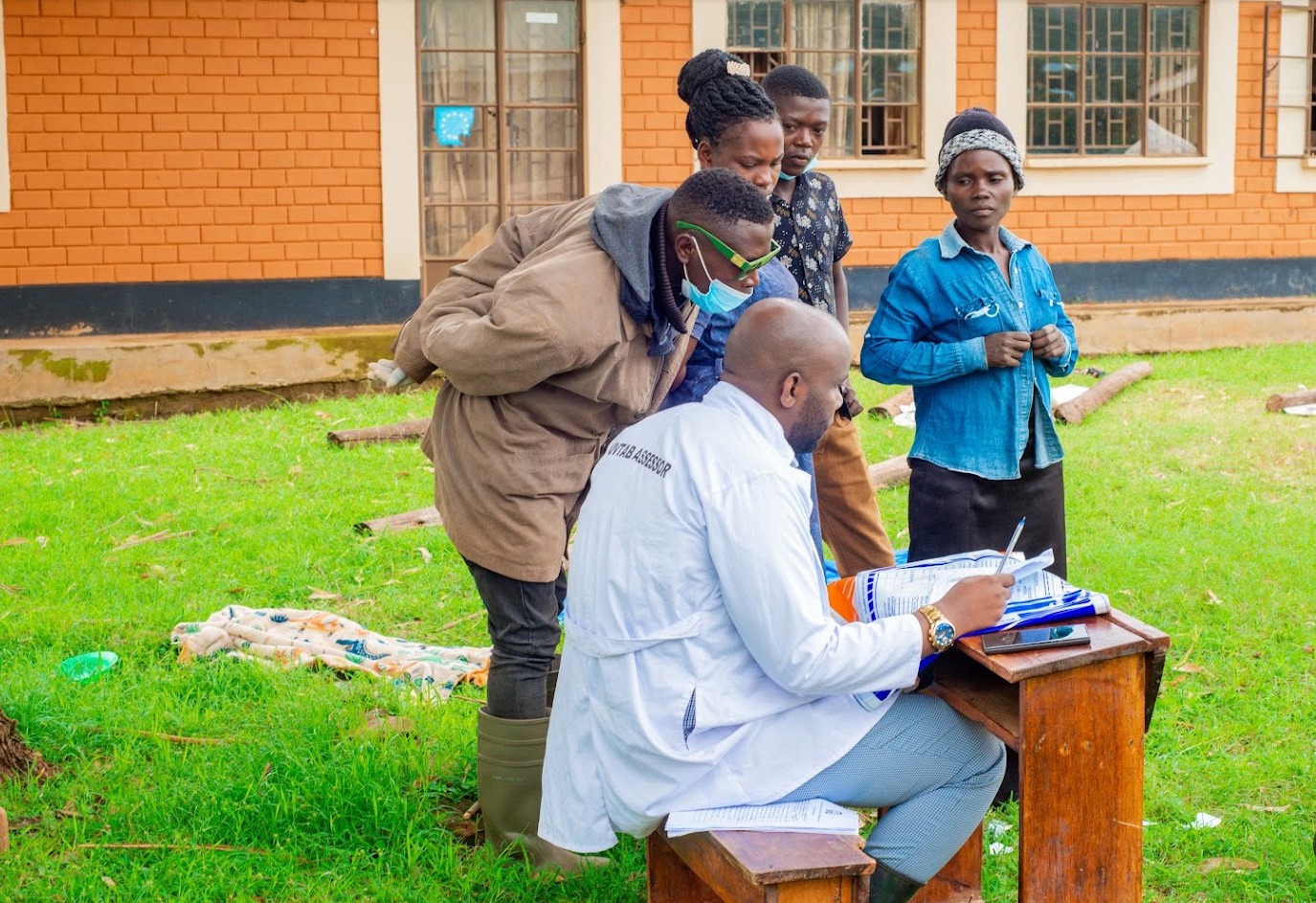
• Service Access Linkages: Utilized FUE's institutional leverage to give health partners (such as RHU) direct access to corporate management and workers for health education and voluntary service delivery.
Strategic Outcomes & Value Proposition
• Increased Employer Buy-in: Shifted corporate perception by establishing that employee health, gender equity, and non-discrimination directly correlate with reduced absenteeism, higher productivity, and improved worker retention.
• Enhanced Compliance & Safety: Provided employers with practical tools to comply with national labor laws and international human rights standards.
• Scalable Business Case: Demonstrated that incorporating SRHR and inclusion into core business operations creates a resilient, sustainable, and socially responsible private sector.